Mar. 25, 2026
Mastitis is one of the most common and costly diseases in dairy farming, affecting milk quality, animal welfare, and overall productivity. Effective treatment requires accurate, hygienic, and low-stress drug administration, making packaging a critical factor in therapeutic success.
Among various delivery systems, intra-mammary syringes have become the standard solution for treating mastitis in dairy cows, offering targeted drug delivery directly into the udder.
The Importance of Proper Drug Delivery in Mastitis Treatment
Mastitis treatment typically involves administering antibiotics or therapeutic formulations directly into the teat canal. This method ensures that the medication reaches the infection site quickly and effectively.
However, the success of this treatment depends not only on the drug itself, but also on how it is delivered. Improper administration may lead to:
incomplete drug delivery
increased risk of contamination
additional stress for the animal
reduced treatment effectiveness
Therefore, syringe design plays a crucial role in ensuring both treatment efficiency and animal comfort.
Specialized Design of Intra-Mammary Syringes
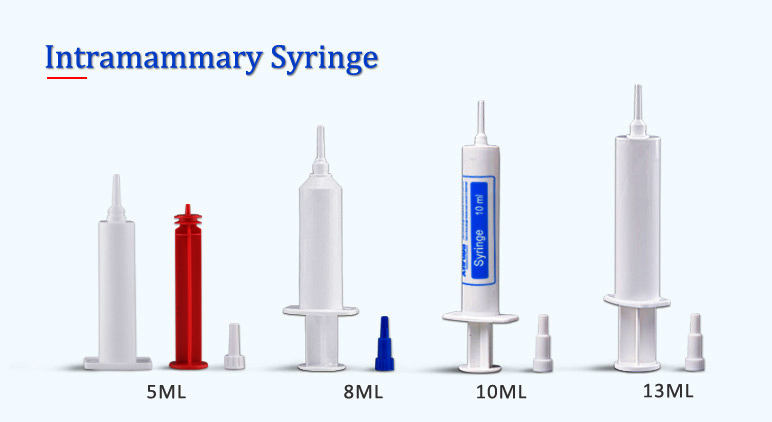
Intra-mammary syringes used for mastitis treatment are specifically designed to meet the unique requirements of dairy cows. Unlike oral dosing syringes, these syringes feature a narrow nozzle design, allowing precise insertion into the teat canal.
The slim nozzle ensures:
accurate placement of medication
controlled delivery into the udder
minimal product loss
In addition, intra-mammary syringes are typically designed for single-dose administration, and therefore do not include dosing scales. Each syringe contains a pre-measured amount of medication, ensuring consistent and standardized treatment.
Soft LDPE Nozzle for Reduced Animal Stress
One of the most important design considerations is the material of the nozzle tip.
Intra-mammary syringes are commonly manufactured with a soft LDPE (low-density polyethylene) nozzle. Compared to harder materials, LDPE offers greater flexibility and softness, which is essential during administration.
This soft-tip design provides several benefits:
reduces irritation to the teat canal
minimizes the risk of injury
lowers stress and discomfort for the cow
improves overall treatment compliance
By reducing the animal’s stress response, the soft LDPE nozzle helps ensure smoother administration and better treatment outcomes.
Hygienic and Ready-to-Use Packaging
Intra-mammary syringes are typically supplied as prefilled, sterile packaging, allowing immediate use without additional preparation.
This design helps:
reduce contamination risks during handling
maintain drug sterility
simplify the treatment process for farm workers
Since mastitis treatment requires strict hygiene standards, prefilled syringes play a key role in maintaining safe and controlled drug delivery.
Advantages of Prefilled Intra-Mammary Syringes
Prefilled intra-mammary syringes offer several advantages in dairy farm operations:
precise single-dose delivery, eliminating dosing errors
reduced handling steps, improving efficiency
consistent product quality, ensuring reliable treatment
improved animal comfort, thanks to soft nozzle design
These features make them an ideal packaging solution for mastitis treatment in modern dairy farming.
Supporting Efficient Dairy Farm Management
As the dairy industry continues to focus on animal welfare, milk quality, and production efficiency, the role of high-quality veterinary packaging becomes increasingly important.
Intra-mammary syringes designed with narrow, soft LDPE nozzles and prefilled structures provide a practical and effective solution for mastitis treatment. By combining precision, hygiene, and animal-friendly design, they help improve both treatment outcomes and farm management efficiency.
With ongoing advancements in veterinary pharmaceutical packaging, intra-mammary syringes will continue to play a vital role in supporting safe, efficient, and low-stress mastitis treatment in dairy cows.

 冀ICP备11016487号-1