Mar. 24, 2026
In February 2026, the U.S. Food and Drug Administration (FDA) finalized a major regulatory update that is reshaping veterinary medicine and livestock management. Through Guidance for Industry #273, the FDA introduced stricter controls on how medically important antimicrobials are used in food-producing animals.
This policy is part of a broader global effort to combat antimicrobial resistance (AMR) while improving treatment consistency and food safety. For manufacturers and suppliers of veterinary devices—especially intramammary tubes—this shift creates both challenges and significant opportunities.
What Is FDA Guidance #273?
Guidance #273 focuses on defining the duration of use for medically important antimicrobial drugs administered to food animals.
Key elements include:
Establishing clear treatment durations for over 100 animal drugs used in feed
Eliminating indefinite or open-ended use of antibiotics
Aligning veterinary practices with antimicrobial stewardship principles
This builds on earlier FDA policies that removed growth-promotion uses of antibiotics and placed veterinary oversight on medically important antimicrobials.
Why This Matters: The Fight Against Antimicrobial Resistance
Antimicrobial resistance (AMR) is a growing global concern, affecting both human and animal health. Overuse or misuse of antibiotics in agriculture has been identified as a contributing factor.
The FDA’s updated guidance aims to:
Reduce unnecessary antibiotic exposure
Ensure drugs are used only when clinically justified
Promote responsible dosing practices
For dairy and livestock producers, this means greater accountability in how treatments are administered.
Implications for Veterinary Medicine and Dairy Farming
1. Standardized Treatment Protocols
Veterinarians and farmers must now follow defined treatment durations, reducing variability in antibiotic use.
2. Increased Regulatory Oversight
Compliance with FDA guidelines is becoming more stringent, particularly for food-producing animals such as dairy cows.
3. Focus on Milk Safety
Strict adherence to treatment duration and withdrawal periods is essential to prevent drug residues in milk.
What About Injectables and Intramammary Drugs?
Unlike feed-based antimicrobials, injectable and intramammary drugs already require clearly defined dosing durations. However, the new FDA guidance reinforces the importance of:
Accurate dosing
Proper administration techniques
Full compliance with labeled instructions
This puts greater emphasis on the delivery systems used to administer these medications.
Rising Demand for Precision Drug Delivery Devices
With tighter regulations in place, the industry is shifting toward controlled and precise dosing solutions.
Key requirements include:
Exact dosage delivery
Reduced risk of under- or overdosing
Sterile, single-use systems
Clear labeling for compliance
This trend is accelerating demand for advanced veterinary delivery devices.
Why Intramammary Tubes Are Gaining Importance
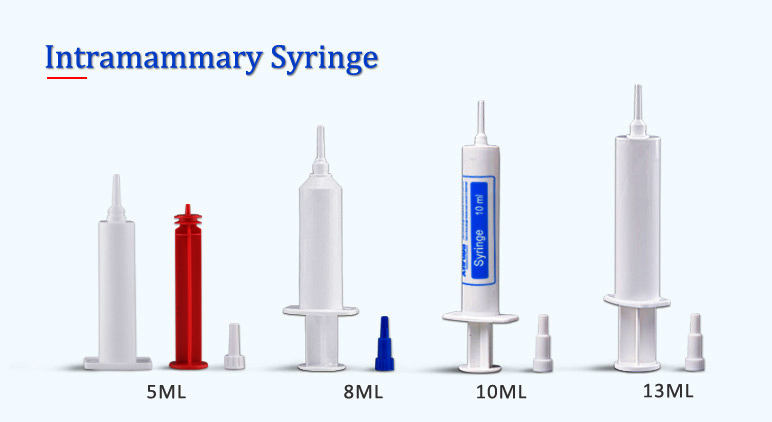
Intramammary tubes are uniquely positioned to meet the new regulatory and clinical demands.
Advantages include:
Targeted Drug Delivery
Medication is delivered directly into the udder, ensuring high local concentration and effectiveness.
Precise Dosage Control
Pre-filled or calibrated tubes help ensure accurate dosing aligned with FDA requirements.
Reduced Systemic Exposure
Limits the spread of antibiotics throughout the animal’s body, supporting antimicrobial stewardship.
Improved Compliance
Single-use, sterile packaging reduces contamination risks and supports regulatory adherence.
Packaging and Compliance: A New Competitive Factor
FDA guidance is also indirectly influencing packaging standards. Manufacturers must now consider:
Unit-dose packaging formats
Tamper-evident designs
Clear labeling with usage duration
Traceability for quality control
Companies that invest in compliance-friendly packaging will gain a competitive advantage in regulated markets.
Strategic Opportunities for Manufacturers
For companies producing intramammary tubes and similar devices, FDA Guidance #273 signals a clear market direction.
Opportunities include:
Developing pre-filled intramammary systems
Offering OEM/ODM solutions for pharmaceutical partners
Enhancing sterility and packaging standards
Positioning products as compliance-enabling solutions
Manufacturers who align with regulatory trends can move from being simple suppliers to value-added partners in veterinary healthcare.
Conclusion
The FDA’s 2026 antimicrobial guidance marks a significant step toward more responsible and controlled
use of antibiotics in animal agriculture. By standardizing treatment durations and reinforcing compliance, the regulation is reshaping how veterinary medicine is practiced.
For the industry, this is more than a regulatory update—it is a structural shift toward precision, safety, and accountability.
Intramammary tubes, with their ability to deliver accurate, targeted, and compliant treatments, are becoming essential tools in this new landscape. Companies that adapt quickly will be well-positioned to benefit from the evolving demands of the global animal health market.

 冀ICP备11016487号-1