Mar. 27, 2026
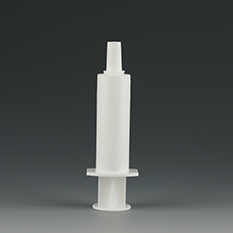
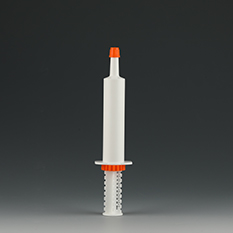
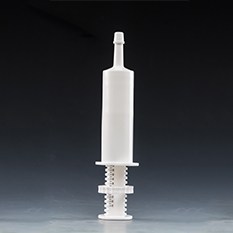
In the veterinary pharmaceutical industry, packaging is not just a container-it is a critical component that directly affects drug safety, dosing accuracy, and user experience. This is especially true for prefilled veterinary syringes, which integrate drug storage and delivery into a single device.
To ensure reliable performance across different applications-such as oral pastes, intra-mammary treatments, and uterine infusions-manufacturers must implement strict quality control systems throughout the entire production process.
Why Quality Control Matters
Veterinary syringes are widely used in applications where precision and hygiene are essential. Poor quality packaging can lead to:
inaccurate dosing
leakage or contamination
inconsistent product performance
potential risks to animal health
For pharmaceutical companies, inconsistent syringe quality can also impact brand reputation and regulatory compliance. Therefore, maintaining high and stable quality standards is essential.
Raw Material Control
Quality control begins with the selection of raw materials.
Veterinary syringes are typically manufactured using pharmaceutical-grade or food-grade plastics, such as HDPE and PP. For specific applications, materials may vary—for example, intra-mammary syringes often use soft LDPE nozzles to reduce animal discomfort during administration.
Manufacturers should ensure:
strict supplier qualification
material certification and traceability
compatibility with drug formulations
High-quality raw materials are the foundation of safe and reliable veterinary packaging.
Precision Injection Molding
The core components of veterinary syringes—such as the barrel, plunger, and nozzle—are produced through injection molding. Precision in this process is critical to ensure:
accurate dimensions
smooth assembly
consistent product performance
Advanced molds and automated production equipment help reduce variability and ensure batch-to-batch consistency, which is essential for large-scale pharmaceutical production.
Cleanroom Manufacturing Environment
To minimize contamination risks, veterinary syringes are typically produced in controlled cleanroom environments.
Depending on product requirements, manufacturers may use Class C, Class A, or Class D cleanrooms to ensure a controlled level of airborne particles and microbial contamination.
Cleanroom production helps:
maintain product hygiene
protect drug integrity
meet pharmaceutical packaging standards
This is particularly important for prefilled syringes, where the packaging comes into direct contact with the drug product.
Functional Performance Testing
Beyond appearance and dimensions, veterinary syringes must undergo functional testing to ensure proper performance during use.
Key tests include:
Sealing performance testing
Ensures the syringe prevents leakage and maintains product integrity during storage and transportation.
Plunger movement testing
Verifies that the plunger operates smoothly and provides controlled dispensing, especially for viscous formulations such as oral pastes.
Fit and assembly testing
Confirms that all components are properly assembled and function together without defects.
Nozzle integrity testing
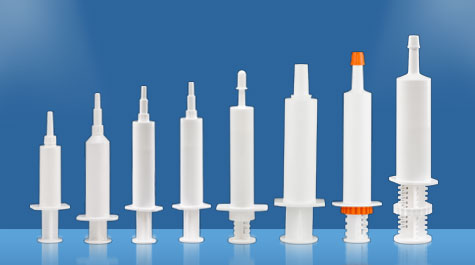
Ensures the nozzle design meets application requirements, whether for wide-nozzle paste dispensing or narrow-nozzle precision delivery.
Dosing Accuracy Verification
For multi-dose veterinary syringes, dosing accuracy is a critical quality parameter.
Manufacturers must verify:
accuracy of plunger-based dosing scales
consistency of dosing ring positioning
repeatability of each delivered dose
For single-dose applications such as intra-mammary syringes, the focus is on ensuring consistent fill volume and complete delivery.
Accurate dosing is essential for achieving effective treatment outcomes and maintaining product reliability.
Inspection and Quality Assurance Systems
A reliable manufacturer implements multi-stage inspection processes, including:
incoming material inspection
in-process quality checks
final product inspection
These inspections help identify defects early and ensure that only qualified products reach customers.
In addition, quality management systems such as ISO standards support standardized procedures and continuous improvement.
Ensuring Consistency and Reliability
In veterinary syringe manufacturing, consistency is just as important as quality. Pharmaceutical companies rely on packaging suppliers to deliver products that perform the same way in every batch.
To achieve this, manufacturers must maintain:
stable production processes
strict quality documentation
traceability across batches
Consistency ensures that veterinary drugs can be administered safely, accurately, and efficiently in real-world applications.
Supporting Safe and Effective Veterinary Packaging
As veterinary pharmaceuticals continue to evolve, the demand for high-quality prefilled syringe packaging will continue to grow.
Through strict raw material control, precision manufacturing, cleanroom production, and comprehensive testing, manufacturers can ensure that veterinary syringes meet the highest standards of safety, performance, and reliability.
Effective quality control not only protects animal health but also supports pharmaceutical companies in delivering consistent and trustworthy products to the market.

 冀ICP备11016487号-1