Nov. 05, 2025
In pharmaceutical production, prefilled syringes have gained widespread adoption due to their convenience and efficiency. As specialized packaging containers comprising components such as barrels, plungers, and protective caps, these integrated systems serve dual purposes as both storage vessels and drug delivery tools. Understanding the different assembly approaches is crucial for optimizing manufacturing workflows and product performance.
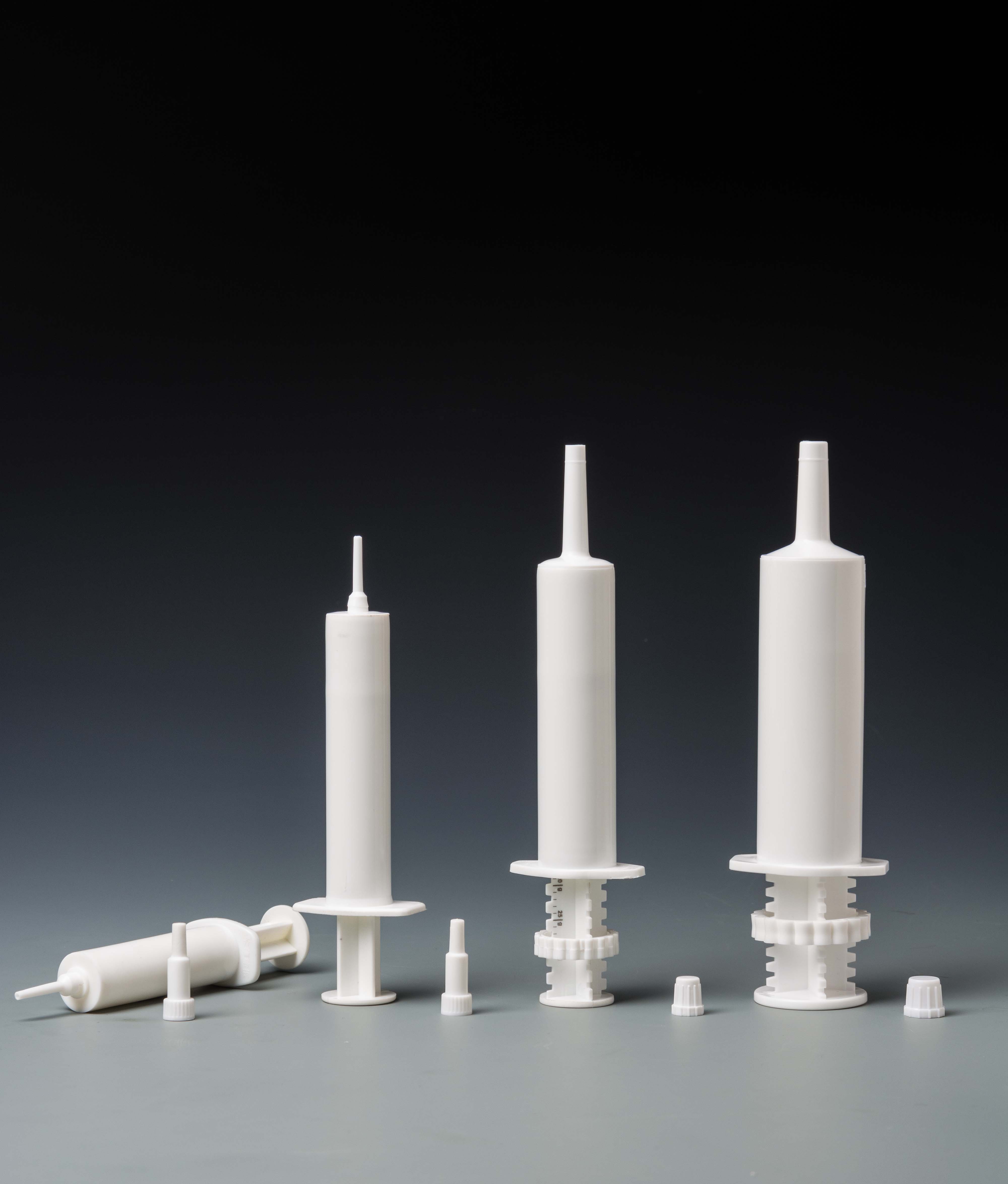
The manufacturing of prefilled syringes primarily utilizes two distinct assembly methodologies: tip cap separate assembly and plunger separate assembly. The selection between these approaches depends fundamentally on the intended filling method, addressing different production requirements and drug characteristics.
In the tip cap separate assembly method, the syringe barrel and plunger components are pre-assembled, while the tip cap remains separate until the final packaging stages. This configuration specifically accommodates front-filling applications where medications are introduced through the needle-end of the syringe.
Key Advantages:
Streamlined Filling Process: The pre-assembled barrel and plunger unit enables direct filling through the needle port
Enhanced Production Efficiency: Simplified workflow reduces handling steps on the production line
Improved Accuracy: Ensures precise drug placement and minimizes filling variations
Ideal for Liquid Formulations: Particularly effective for standard viscosity medications administered through needle-based delivery
This method proves especially valuable for high-volume production environments where speed and consistency are paramount, maintaining drug integrity throughout the automated filling process.
The plunger separate assembly method features pre-assembled barrel and tip cap components, with the plunger packaged separately. This configuration supports back-filling operations where medications are introduced through the plunger-end of the syringe assembly.
Key Advantages:
Focused Assembly Operations: Production lines can optimize processes for plunger insertion and final sealing
Simplified Filling Protocol: Reduces complexity in subsequent filling stages
Versatile Application: Accommodates various drug types, particularly those requiring plunger-end administration
Enhanced Sterility Maintenance: Minimizes potential contamination points during the assembly process
This approach offers significant benefits for specialized medications requiring specific handling characteristics or compatibility considerations.
When selecting prefilled syringes, pharmaceutical manufacturers should engage in comprehensive discussions with suppliers to determine the optimal assembly method for their specific requirements.
Critical Considerations:
Drug Formulation Characteristics: Viscosity, stability, and compatibility requirements
Production Line Configuration: Existing equipment capabilities and automation levels
Administration Method: End-user delivery requirements and clinical application
Regulatory Compliance: Meeting industry standards and validation protocols
Procurement Recommendations:
Early Supplier Engagement: Collaborate with prefilled syringe providers during product development phases
Process Mapping: Align assembly methods with existing manufacturing workflows
Validation Planning: Ensure selected methods support required quality control measures
Scalability Assessment: Confirm the chosen approach accommodates anticipated production volumes
The strategic selection of prefilled syringe assembly methods directly influences multiple aspects of pharmaceutical manufacturing:
Operational Efficiency:
Reduced assembly steps decrease labor requirements
Streamlined processes increase throughput capacity
Minimized handling lowers contamination risks
Automated compatibility enhances production speed
Quality Assurance:
Consistent assembly improves product reliability
Standardized processes reduce performance variations
Validated methods ensure batch-to-batch consistency
Controlled environments maintain sterility assurance
Economic Benefits:
Optimized processes reduce manufacturing costs
Efficient workflows decrease production time
Minimized waste improves resource utilization
Reliable performance reduces quality incidents
The evolution of prefilled syringe assembly methodologies continues to address emerging pharmaceutical needs:
Advanced Drug Formulations:
Biologics and biosimilars requiring specialized handling
High-viscosity products needing customized assembly approaches
Sensitive compounds demanding enhanced protection
Technological Innovations:
Integrated automation systems for assembly and filling
Smart manufacturing with real-time quality monitoring
Advanced materials improving component compatibility
Prefilled syringes play an indispensable role in modern pharmaceutical production, offering efficient, convenient packaging and delivery solutions. Understanding the distinctions between tip cap separate assembly and plunger separate assembly methods enables pharmaceutical companies to select the most appropriate configuration for their specific drugs and production processes.
Through informed selection and strategic implementation of these assembly approaches, pharmaceutical manufacturers can achieve significant improvements in production efficiency, product quality, and overall operational performance. The correct alignment of assembly methodology with product requirements and manufacturing capabilities ultimately delivers enhanced economic returns and strengthened market competitiveness.

 冀ICP备11016487号-1