Nov. 06, 2025
For millions of patients requiring long-term injection therapy, everyday challenges like dosage inaccuracy, difficult operation, and ambiguous feedback have long complicated self-administration. Modern disposable injection pens are addressing these concerns through thoughtful design innovations that significantly improve the treatment experience from precise dosing to comfortable administration.
The latest generation of disposable injection pens incorporates high-contrast black-and-white scales with oversized numerals, creating an intuitive visual interface that ensures accurate dose setting. This design approach, compliant with ISO international standards for dosage accuracy, provides particular benefit to visually impaired users who rely on clear differentiation between markings.
Complementing the visual clarity, distinct "click" sounds during dose adjustment provide audible confirmation of each unit selected. Clinical feedback demonstrates that this multi-sensory approach significantly reduces medication errors, with one study showing a 42% decrease in dosing inaccuracies among elderly diabetic patients using these enhanced devices compared to traditional models.
Through precision-engineered internal mechanisms and advanced material selection, modern disposable injection pens have dramatically decreased plunger resistance. Patients can now complete the injection process with minimal pressure – a simple button press suffices for full medication delivery.
This improvement proves particularly valuable for:
Arthritis patients with limited hand strength and dexterity
Elderly users experiencing natural decline in muscular force
Pediatric patients learning self-administration techniques
Individuals with neurological conditions affecting fine motor skills
The reduced force requirement transforms injection from a challenging task to a manageable daily routine, supporting long-term treatment adherence across diverse patient populations.
From dose selection to complete medication delivery, each critical step in using a disposable injection pen is reinforced with clear "click" sounds and tactile vibration feedback. This immediate multi-sensory response provides tangible confirmation that each operational step has been performed correctly.
The psychological impact of this feedback system is particularly significant for:
First-time users building confidence with self-injection
Anxious patients requiring reassurance during administration
Users with visual impairments relying on non-visual cues
Caregivers administering medication to others
This feature effectively reduces "injection anxiety" by eliminating uncertainty about whether the device has functioned properly, creating a more positive association with the treatment process.
While this article focuses primarily on advancements in disposable injection pens, similar human-centric design principles are increasingly incorporated into reusable injection pens:
Disposable Injection Pen Advantages:
Consistent performance without maintenance requirements
Guaranteed sterility for each use
Ideal for travel and irregular dosing schedules
No cleaning or part replacement necessary
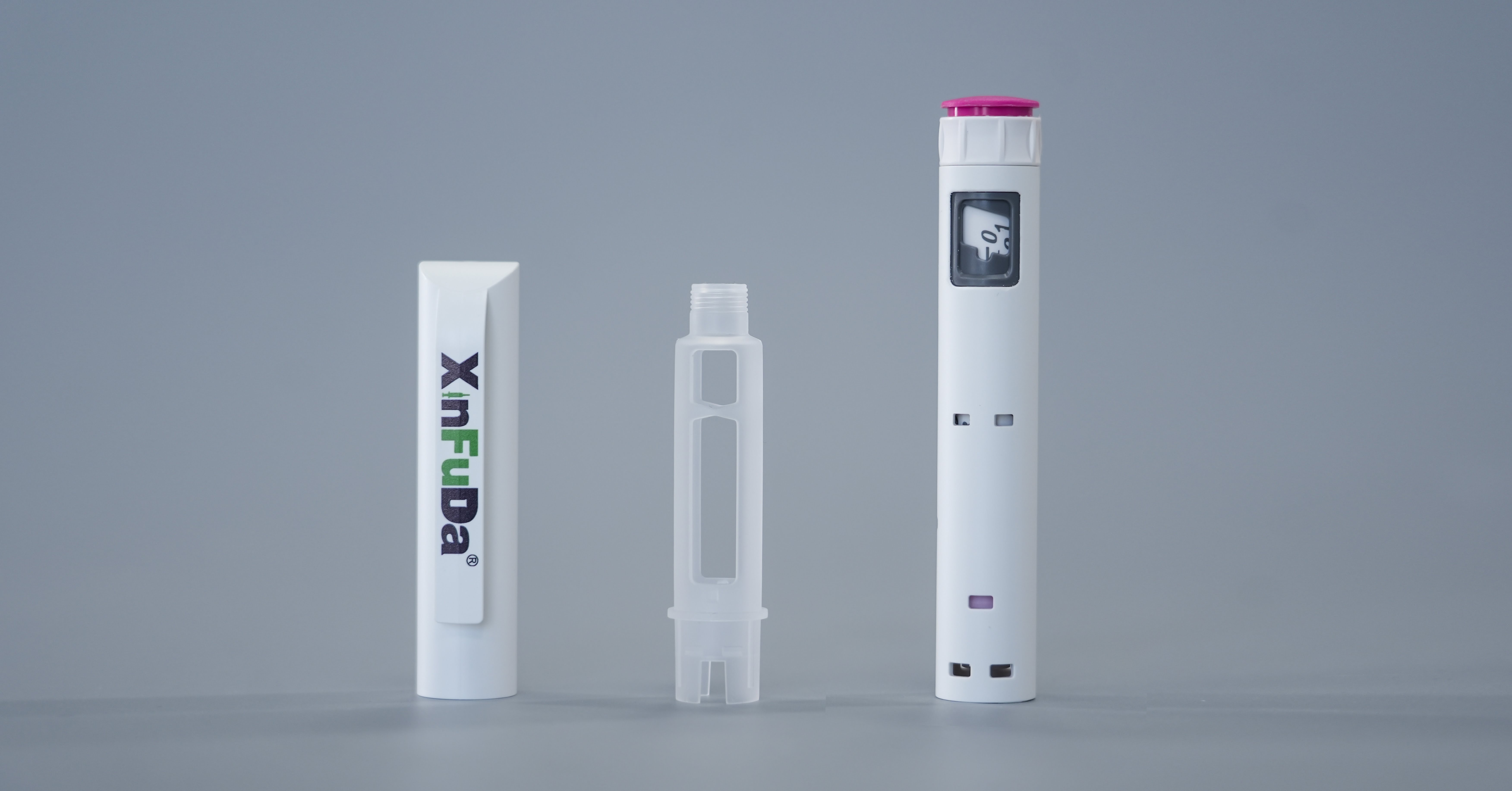
Reusable Injection Pen Benefits:
Reduced environmental impact through repeated use
Lower long-term cost for frequent users
Customizable features for individual preferences
Familiarity for experienced patients
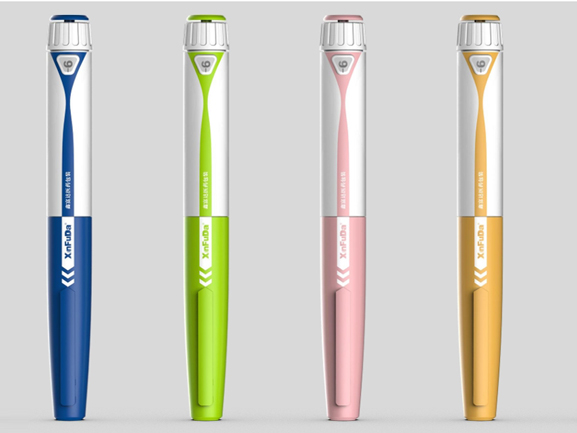
Both formats increasingly incorporate patient-centered design elements, though disposable injection pens often lead innovation due to their integrated nature and manufacturing flexibility.
The cumulative effect of these design improvements extends beyond convenience to tangible health benefits:
Enhanced Treatment Adherence
User-friendly
designs have demonstrated significant improvements in consistent
medication use. Research indicates that patients using intuitively
designed disposable injection pens show 23% higher adherence rates compared to those using traditional delivery systems.
Increased Patient Confidence
The
clear visual, auditory, and tactile feedback mechanisms build trust in
the administration process, reducing anxiety and empowering patients to
take active roles in their treatment plans. Surveys show 78% of patients
report feeling more confident in their dosing accuracy with modern pen
designs.
Accessibility Advancements
Design
features accommodating users with visual impairments, limited
dexterity, or other physical challenges make these devices suitable for
diverse patient populations across age groups and ability levels.
The evolution of patient-centered design continues with several emerging trends:
Connected technologies tracking adherence and dosage history
Further reduction in injection force through innovative mechanism design
Enhanced tactile differentiation for users with complete visual impairment
Sustainable materials reducing environmental impact of disposable injection pens
Customizable feedback options accommodating individual preference
The seemingly subtle improvements in modern disposable injection pens – from high-contrast scales to reduced activation force – represent a fundamental shift in medical device design philosophy. By prioritizing patient experience through deep observation of real-world usage scenarios, manufacturers have transformed injection from a clinical procedure to an intuitive daily activity.
When injection therapy becomes part of everyday life, each considerate design element makes the treatment process simpler, more reliable, and less burdensome. The continued refinement of disposable injection pens demonstrates how human-centric innovation can significantly improve both clinical outcomes and quality of life for patients managing chronic conditions worldwide.

 冀ICP备11016487号-1