Nov. 04, 2025
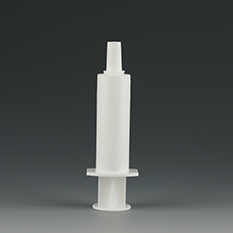
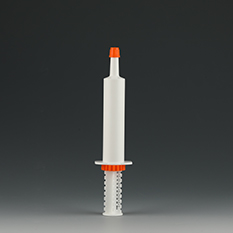
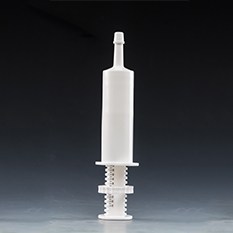
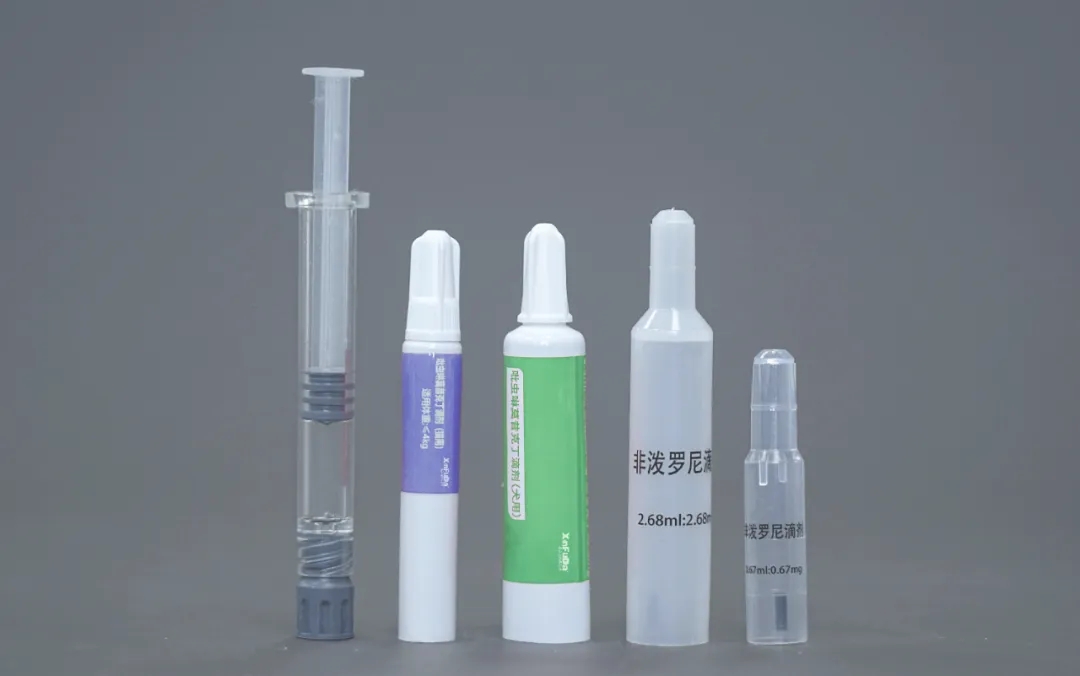
Pet deworming bottles serve as specialized packaging for topical parasite treatments, typically designed as single-dose containers with modest capacities. These packages offer significant advantages including ease of use and prevention of medication ingestion that could cause vomiting in pets. But what specific materials are used in manufacturing these essential containers, and what characteristics make them ideally suited for veterinary pharmaceutical applications?
Most pet deworming bottles are manufactured from translucent polypropylene (PP), a thermoplastic polymer that demonstrates exceptional properties for pharmaceutical packaging. This material selection stems from a combination of physical, chemical, and economic factors that make PP particularly suitable for animal healthcare products.
Polypropylene is created through the addition polymerization of propylene monomers, resulting in a white, wax-like material with inherent translucency. PP offers:
Superior surface gloss that enhances product presentation
Excellent colorability for brand differentiation and dosage identification
Smooth surface texture that resists residue accumulation
With a density ranging between 0.90-0.91 g/cm³, PP ranks among the lightest plastic materials available. This characteristic provides significant benefits for pet deworming bottles:
Reduced shipping weight leading to lower transportation costs
Enhanced portability for veterinary professionals and pet owners
Decreased material usage without compromising container integrity
The high crystallinity and regular structure of polypropylene contribute to outstanding mechanical properties:
Enhanced strength and rigidity compared to high-density polyethylene (HDPE)
Excellent elasticity that maintains seal integrity under normal handling conditions
Sufficient surface hardness to resist abrasion during transportation and storage
It's important to note that standard PP exhibits reduced impact strength at lower temperatures, though this limitation can be mitigated through molecular weight adjustments and specialized copolymer formulations.
Polypropylene demonstrates remarkable thermal stability, making it ideal for pharmaceutical applications:
Melting point between 164-170°C (327-338°F)
Withstands sterilization temperatures exceeding 100°C (212°F)
Maintains structural integrity at temperatures up to 150°C (302°F) without deformation
Compatible with various sterilization methods including autoclaving and chemical treatment
PP materials offer excellent compatibility with veterinary pharmaceutical formulations:
Resistance to most acids, alkalis, and organic solvents
Minimal interaction with active pharmaceutical ingredients
Preservation of product stability throughout shelf life
Prevention of leaching or container degradation that could compromise medication efficacy
The electrical characteristics of polypropylene provide additional manufacturing advantages:
High dielectric constant suitable for specialized applications
Temperature-resistant insulating properties
Compatibility with electronic sealing and quality control systems
While polypropylene demonstrates sensitivity to ultraviolet radiation, this limitation can be effectively addressed through:
Incorporation of zinc oxide for UV protection
Addition of dilauryl thiodipropionate as a stabilizer
Use of carbon black or similar opaque fillers
Implementation of specialized masterbatches for enhanced weatherability
The combination of these properties makes polypropylene an exceptional choice for pet deworming bottles:
Manufacturing Efficiency:
Excellent melt flow characteristics for high-speed production
Consistent processing behavior across manufacturing batches
Compatibility with various decoration and labeling technologies
User Experience Benefits:
Squeezable yet rigid construction for controlled dosage administration
Translucent walls allowing visual confirmation of contents
Secure closure systems maintaining product integrity
Lightweight design enhancing handling convenience
Polypropylene's unique combination of physical strength, chemical resistance, thermal stability, and manufacturing versatility establishes it as the premier material for pet deworming bottles. These characteristics ensure that veterinary pharmaceuticals remain protected throughout their shelf life while providing practical benefits for both manufacturers and end-users. As the pet healthcare industry continues to evolve, polypropylene packaging solutions will undoubtedly maintain their prominent position in delivering safe, effective, and convenient treatment options for companion animals worldwide.

 冀ICP备11016487号-1