Mar. 18, 2026
1. What Is Dry Cow Therapy?
Dry Cow Therapy (DCT) refers to the management and treatment practices applied to dairy cows during the non-lactating period, commonly known as the dry period. During this phase, milk production is intentionally stopped to allow the udder tissue to recover and prepare for the next lactation cycle.
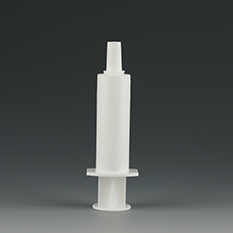
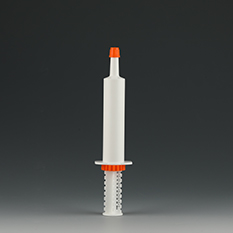
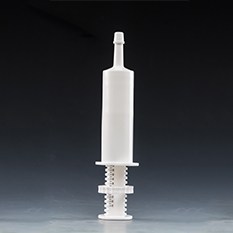
Dry cow therapy is typically administered using an intramammary tube, which delivers medication directly into the udder.
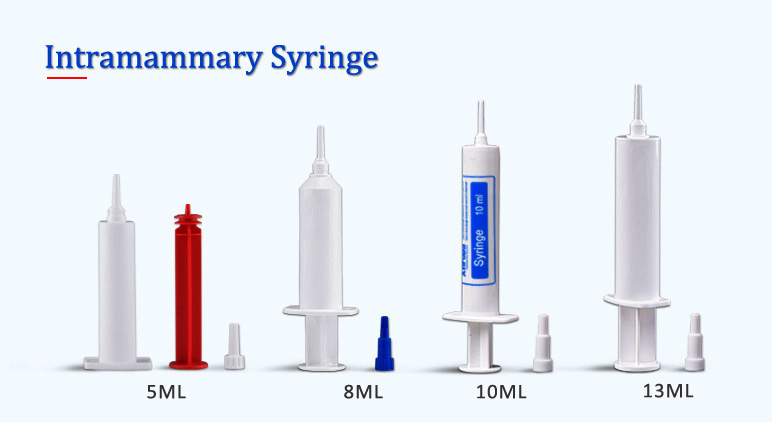
intramammary syringe for cattle
2. Why Is Dry Cow Therapy Important?
The dry period is a critical stage in dairy herd management because the udder is more vulnerable to infections.
Key reasons include:
The teat canal is not fully sealed immediately after drying off
The immune defenses of the udder are temporarily reduced
Environmental bacteria can more easily enter the mammary gland
Existing subclinical infections may persist without treatment
Proper management during this period significantly impacts milk yield and quality in the next lactation.
3. Objectives of Dry Cow Therapy
Dry Cow Therapy serves two primary purposes:
1. Treatment of Existing Infections
Antibiotics delivered via intramammary tubes help eliminate hidden or subclinical mastitis infections present at the end of lactation.
2. Prevention of New Infections
Long-acting formulations help protect the udder during the early dry period when infection risk is highest.
4. Methods of Dry Cow Therapy
There are two main approaches:
Blanket Dry Cow Therapy (BDCT)
All cows receive treatment at drying off
Simple and widely used
Provides uniform protection across the herd
Selective Dry Cow Therapy (SDCT)
Only cows with infection risk receive treatment
Based on diagnostic indicators such as somatic cell count (SCC)
Helps reduce antibiotic usage and supports antimicrobial stewardship
5. Role of Intramammary Tubes in DCT
Intramammary tubes are the primary delivery device used in dry cow therapy.
How They Work:
A sterile tube is inserted into the teat canal
Medication is infused directly into the mammary gland
The drug remains localized for effective treatment
These tubes ensure:
Targeted drug delivery
High local concentration
Reduced systemic exposure
6. Common Types of Dry Cow Treatments
Dry cow formulations typically include:
Long-acting antibiotics
Internal teat sealants
Combination products (antibiotics + sealants)
Teat sealants create a physical barrier to prevent bacterial entry during the dry period.
7. Procedure for Dry Cow Therapy
A standard dry cow therapy procedure includes:
Udder Preparation
Clean and disinfect teats thoroughly
Use alcohol swabs to reduce contamination
Administration
Insert the intramammary tube gently
Infuse the prescribed medication slowly
Post-Application Care
Do not massage aggressively
Ensure proper sealing of the teat canal
Hygiene Control
Use sterile, single-use tubes
Avoid cross-contamination between teats
8. Benefits of Dry Cow Therapy
Reduces incidence of mastitis
Improves udder health during dry period
Enhances milk quality in the next lactation
Lowers somatic cell count (SCC)
Increases overall herd productivity
9. Risks and Considerations
Antibiotic Residues
Milk from treated cows must comply with withdrawal periods before entering the food supply.
Proper Drug Usage
Overuse or misuse of antibiotics should be avoided to reduce antimicrobial resistance.
Hygiene is Critical
Poor application techniques can introduce new infections.
Veterinary Supervision
Dry cow therapy protocols should be developed with veterinary guidance.
10. Industry Trends
Modern dairy farming is shifting toward:
Selective dry cow therapy (SDCT)
Reduced antibiotic usage
Integration of herd health monitoring systems
Increased use of teat sealants as an alternative or complement
These trends align with global efforts toward sustainable and responsible livestock management.
11. Conclusion
Dry Cow Therapy is a fundamental component of dairy herd health management. By applying targeted treatment during the non-lactating period, farmers can effectively reduce mastitis risk, improve milk quality, and support long-term herd productivity.
Intramammary tubes play a central role in delivering precise and effective therapy, making them an essential tool in modern dairy operations.

 冀ICP备11016487号-1