Jun. 10, 2026
For decades, glass vials have been the standard packaging format for veterinary vaccines. However, as the global animal health industry expands and vaccine distribution networks become more complex, many veterinary vaccine manufacturers are re-evaluating their packaging strategies.
Today, plastic veterinary vaccine bottles are gaining attention as a practical solution for improving supply chain efficiency, reducing transportation risks, and supporting large-scale vaccine distribution.
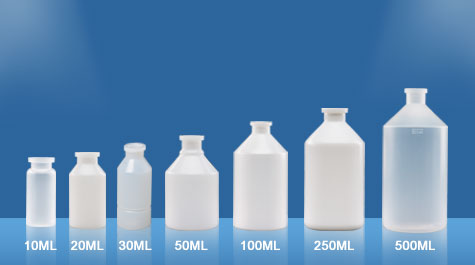
The question is no longer whether plastic bottles can replace glass in certain applications. The real question is how the right packaging system can help veterinary pharmaceutical companies improve product performance and operational efficiency.
The Hidden Cost of Glass Vaccine Packaging
Most veterinary vaccine manufacturers focus heavily on formulation development, sterility assurance, and production efficiency. Yet packaging failures can still create significant financial losses.
Common challenges associated with glass vaccine containers include:
Breakage during transportation
Cold-chain handling risks
Increased shipping weight
Higher packaging costs
Safety concerns during field use
These issues become even more significant when vaccines are distributed to remote livestock farms or exported to developing markets.
A single broken container can result in product loss, supply chain disruption, and customer dissatisfaction.
Why Plastic Vaccine Bottles Are Gaining Market Acceptance
Modern pharmaceutical-grade plastic containers offer several advantages that address these challenges.
Improved Transportation Performance
Unlike glass containers, plastic vaccine bottles are highly resistant to impact.
This is particularly valuable for:
Poultry vaccine distribution
Cattle vaccine transportation
Swine vaccine logistics
Export shipments to emerging markets
Reducing breakage directly lowers product loss and improves supply chain reliability.
Lower Distribution Costs
Weight matters.
Plastic vaccine bottles are significantly lighter than glass alternatives, helping manufacturers reduce:
Freight expenses
Storage costs
Carbon footprint
For companies distributing millions of vaccine doses annually, these savings can be substantial.
Enhanced Field Safety
Veterinary vaccines are often administered in demanding environments such as farms, livestock facilities, and rural veterinary clinics.
Plastic packaging reduces the risk of broken containers and injuries caused by shattered glass.
Packaging Must Protect Vaccine Stability
The ultimate goal of vaccine packaging is not simply containment. It is maintaining vaccine efficacy throughout the product lifecycle.
Veterinary vaccine manufacturers should evaluate:
Container closure integrity
Moisture protection
Oxygen barrier performance
Chemical compatibility
Sterility assurance
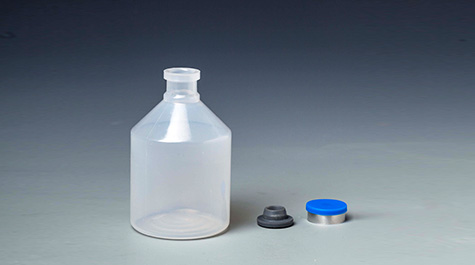
A properly designed plastic vaccine bottle system can support these requirements while delivering additional operational advantages.
Choosing the Right Packaging Partner
The packaging supplier you choose can directly influence product quality and regulatory compliance.

 冀ICP备11016487号-1