Jun. 12, 2026
The veterinary biologics market is growing rapidly. New vaccines, immunotherapies, and animal health biologics are transforming disease prevention and treatment across livestock, poultry, aquaculture, and companion animal sectors.
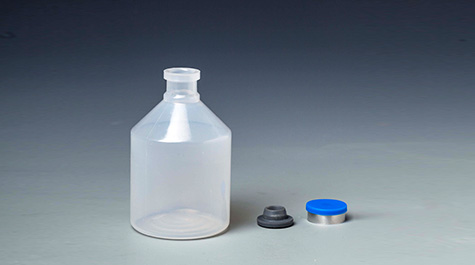
While much attention is focused on formulation development, the packaging system can have a significant impact on product performance and commercial success.
For biologics, not every bottle is suitable.
The Unique Challenges of Veterinary Biologics
Biologics differ from traditional veterinary pharmaceuticals because they contain highly sensitive biological materials.
These products may be vulnerable to:
Moisture
Oxygen
Light
Temperature variation
Surface interactions
As a result, packaging selection becomes a critical part of product development.
A packaging system that works well for conventional veterinary drugs may not be suitable for advanced biologics.
Packaging Must Support Product Stability
The primary purpose of biologic packaging is preserving product integrity throughout its lifecycle.
Manufacturers should consider:
Chemical compatibility
Barrier performance
Extractables and leachables risk
Closure integrity
Long-term stability
Failure to address these factors may result in potency loss or reduced shelf life.
Glass vs Plastic Packaging
Traditionally, glass has dominated vaccine packaging.
However, many veterinary manufacturers are now evaluating pharmaceutical-grade plastic containers because they offer:
Lower breakage risk
Reduced transportation costs
Better impact resistance
Improved handling safety
The optimal choice depends on formulation characteristics, distribution requirements, and regulatory considerations.
Supply Chain Reliability Matters
Packaging shortages can delay product launches and disrupt vaccine supply.
Veterinary biologic manufacturers should seek suppliers capable of providing:
Stable production capacity
Consistent quality systems
Long-term supply support
Global logistics capability
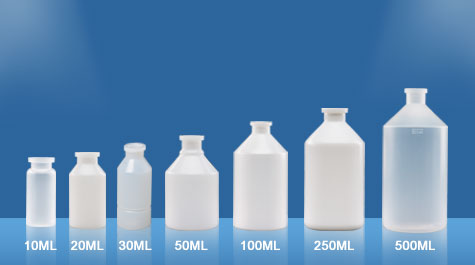
A reliable packaging partner helps reduce operational risk and supports future growth.
Future-Proofing Your Biologics Portfolio
Animal health innovation continues to accelerate.
Products under development today may require:
Improved barrier performance
Advanced closure systems
Ready-to-fill packaging
Enhanced automation compatibility
Selecting the right packaging platform early can simplify future product expansion and regulatory submissions.
Conclusion
For veterinary biologics, packaging is more than a container—it is part of the product itself.
Manufacturers that carefully evaluate bottle materials, closure systems, stability requirements, and supplier capabilities are better positioned to bring reliable biologic products to market while maintaining quality throughout the supply chain.

 冀ICP备11016487号-1