Feb. 26, 2026
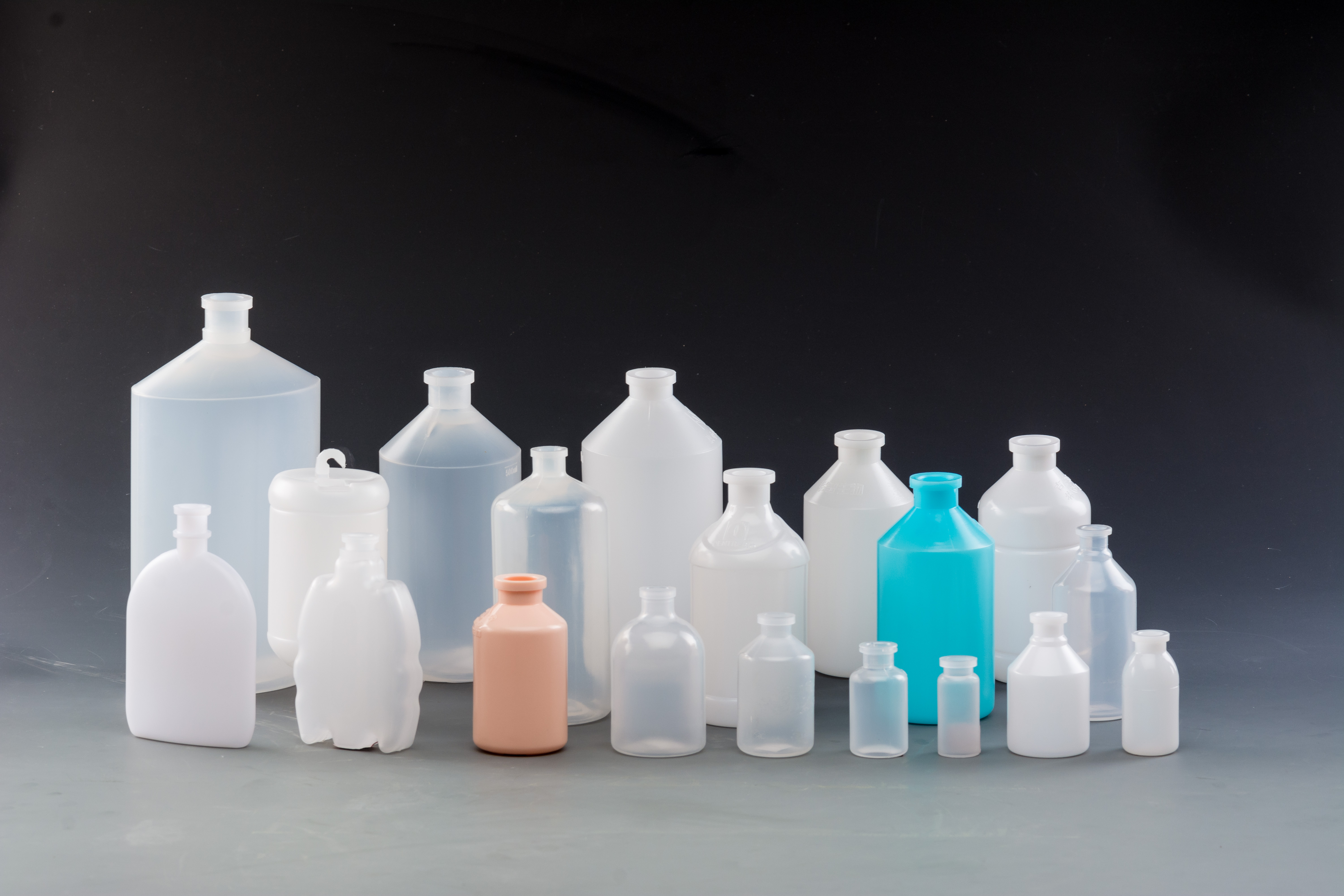
Animal vaccines play an indispensable role in preventing the spread of infectious diseases and promoting healthy development in the livestock industry. To ensure optimal immunization results, appropriate vaccine bottles are essential—they serve as the first line of defense in maintaining vaccine potency from manufacturing through administration.
Recently, the Pet Disease Prevention and Control Technology Innovation Team at the Chinese Academy of Agricultural Sciences achieved a significant milestone. Their自主研发 inactivated Senecavirus A vaccine (CH-FuJ株) for swine received clinical trial approval from the Ministry of Agriculture and Rural Affairs, marking important progress in vaccine development
.
Senecavirus A (SVA) causes porcine idiopathic vesicular disease, characterized by vesicular lesions on the snout, oral mucosa, coronary bands, and hooves of infected pigs
. Since its emergence in Guangdong Province in 2015, SVA has gradually spread across China, with more than half of provinces, autonomous regions, and municipalities now affected . Due to insufficient research on SVA and its rapid evolution, no commercial vaccines were previously available for prevention and control
. This new vaccine represents a crucial step forward, with researchers now proceeding to clinical trials and expecting new veterinary drug registration by 2025.
For inactivated vaccines like this new SVA formulation, plastic vaccine bottles made from polypropylene and polyethylene represent the preferred packaging choice. These materials offer several critical advantages:
Superior Barrier Properties: Both polypropylene and polyethylene provide excellent protection against moisture, oxygen, and light—factors that can degrade vaccine components and reduce potency over time.
Lightweight Durability: These materials are significantly lighter than glass alternatives yet resist breakage during transportation and handling, making them ideal for distribution to farms and veterinary clinics.
Ease of Manufacturing: Plastic vaccine bottles can be efficiently produced through injection or blow molding processes, ensuring consistent quality across large production volumes.
Excellent Seal Compatibility: When paired with rubber stoppers and aluminum crimp caps, plastic vaccine bottles achieve the robust seal integrity necessary to maintain vaccine stability throughout their shelf life.
Modern vaccine packaging must meet increasingly stringent requirements for container closure integrity (CCI). As recent research demonstrates, maintaining both sterility and stability requires a comprehensive approach to packaging system performance
.
For vaccines, CCI involves more than simply preventing microbial contamination. Many formulations are sensitive to reactive gases such as oxygen and may require packaging under inert atmospheres. Freeze-dried products need protection against water vapor and often require maintaining partial vacuum conditions. Live viral vaccines and cell-based therapies may require cold or ultra-cold storage, which introduces additional risks to sealing performance due to changing material properties at low temperatures
.
Key factors affecting vaccine bottle seal integrity include:
Component design: Proper dimensional tolerances between the bottle, stopper, and cap
Material selection: Rubber stoppers must maintain elasticity at storage temperatures
Process control: Consistent capping and crimping operations during filling
Validation testing: Rigorous CCI testing using deterministic analytical methods
Regulatory guidance documents such as USP <1207> and EU GMP Annex 1 emphasize the importance of a holistic, science-based approach to container closure integrity throughout the product lifecycle
. This includes applying Quality-by-Design principles, conducting risk assessments, and implementing appropriate process controls.
Before using any vaccine, veterinary professionals and livestock producers should carefully inspect each vaccine bottle for signs of compromised integrity:
Visual Inspection Checklist:
Check for any leakage around the seal or cap
Verify the expiration date has not passed
Examine the liquid for particles, discoloration, or separation
Confirm the rubber stopper is properly seated and undamaged
Ensure the aluminum crimp cap shows no signs of loosening or damage
If any abnormalities such as visible particles or emulsion separation are observed, the vaccine should be discarded immediately to avoid compromising animal health.
Both polypropylene and polyethylene offer excellent properties for vaccine bottles, though each has distinct characteristics:
Polypropylene Advantages:
Higher temperature resistance (suitable for autoclaving)
Greater stiffness and dimensional stability
Excellent chemical resistance
Good transparency for visual inspection
Polyethylene Advantages:
Superior low-temperature toughness
Excellent flexibility and impact resistance
Cost-effective for large production volumes
Good moisture barrier properties
The choice between these materials depends on specific vaccine requirements, storage conditions, and manufacturing processes. Both options, when properly formulated and processed, provide the necessary protection for inactivated vaccines.
Vaccine quality depends on multiple factors working together—from strain selection and production processes to formulation and final packaging
. The packaging system represents the final critical step in this chain, protecting the vaccine through distribution, storage, and administration.
Regulatory frameworks worldwide recognize the importance of packaging quality. WHO prequalification requirements, for example, assess not only vaccine safety and efficacy but also programmatic suitability, including packaging that ensures product integrity throughout the cold chain
.
The development of new vaccines like the SVA inactivated vaccine represents significant scientific achievement. However, even the most sophisticated vaccine formulation cannot deliver its intended protection without proper packaging. Vaccine bottles must maintain seal integrity, protect against environmental factors, and ensure stability throughout the product's shelf life.
For pharmaceutical companies and livestock producers alike, recognizing the critical role of vaccine packaging in immunization success is essential. By selecting high-quality vaccine bottles from reliable manufacturers, conducting appropriate integrity testing, and following proper inspection protocols before use, all stakeholders contribute to more effective disease prevention and healthier animal populations.

 冀ICP备11016487号-1