Feb. 26, 2026
The pet industry, as an emerging sector, has experienced remarkable growth in recent years, capturing the attention of numerous investors and spawning specialized segments including pet pharmaceuticals, apparel, and nutrition. As this industry accelerates into the fast lane, the outlook for pet pharmaceutical packaging appears increasingly promising, with packaging playing a critical role in ensuring drug safety and stability throughout product lifecycles.
According to data from Elephant Research Institute, China's pet market reached 221.2 billion yuan in 2019 and soared to 300 billion yuan in 2020
. Over the five-year period from 2015 to 2019, market size doubled, representing a compound annual growth rate of 20%. This explosive expansion reflects fundamental shifts in consumer behavior and lifestyle preferences across major urban centers.
The growth trajectory shows no signs of slowing. Estimates suggest China is home to over 150 million pet dogs and cats, yet penetration rates tell a revealing story: while approximately 65% of U.S. households own a pet, the comparable figure in China remains in low single digits
. This disparity highlights vast potential for continued expansion in both pet ownership and associated per-pet expenditure.
Analysis of 2020 pet owner income distribution reveals compelling insights about market potential. The data shows that 35.2% of pet owners earn between 5,001-8,000 yuan monthly, while 22.9% fall within the 3,001-5,000 yuan income bracket
. Lower representation appears in income categories below 3,000 yuan (11.1%), 8,001-10,000 yuan (18.5%), and above 10,000 yuan (12.3%). This distribution indicates that the majority of pet owners possess middle-to-upper income levels, suggesting that pet ownership meaningfully demonstrates considerable consumer spending capacity.
When examining expenditure patterns, pet food naturally leads, but pet healthcare—including veterinary services and pharmaceuticals—consistently ranks as the second-largest expense category, often accounting for over 22% of total spending
. As the foundational pillar of pet wellness, pharmaceuticals represent a focal point for both concerned owners and veterinarians, cementing this segment as one of the most dynamic within the broader industry.
Pet pharmaceutical packaging serves as the vital link ensuring product stability, sterility, and accurate dosing from manufacturing through administration. The diversity of drug formulations has spurred innovation across multiple packaging types, each designed for specific therapeutic applications:
Dropper Bottles and Spot-On Applicators: Enable precise topical or oral liquid administration
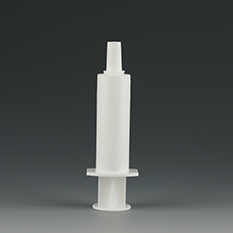
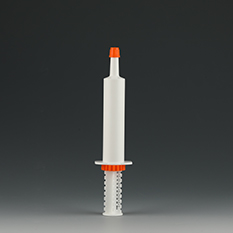
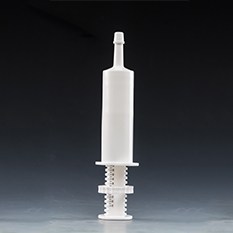
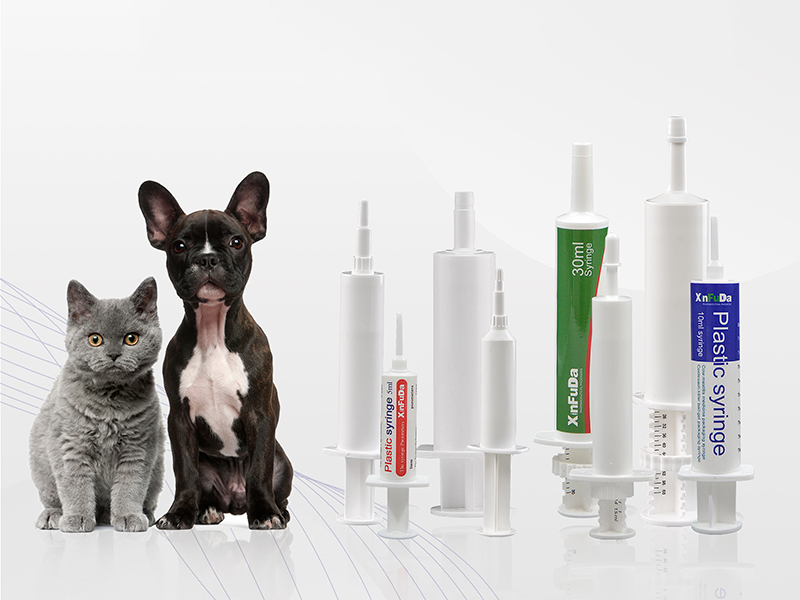
Prefilled Syringes: Ensure accurate, mess-free delivery of gels, pastes, and injectables
Aluminum-Plastic (Alu-Alu) Tubes: Provide excellent barrier properties for creams and ointments
Plastic Bottles: Commonly used for tablets and capsules requiring protection from moisture and light
This specialized packaging does more than contain; it actively protects against environmental factors, extends shelf life, and facilitates correct administration—directly impacting treatment success and owner compliance
.
Data indicates sustained high growth rates in pet product consumption across various Chinese cities, demonstrating that consumers have moved beyond simple material acquisition toward increasingly sophisticated lifestyle considerations
. As pet owners demand higher quality of life for themselves and their companions, they pay greater attention to the functional attributes of pet pharmaceutical packaging when selecting medications.
The global animal healthcare packaging market was valued at approximately US$3.38 billion in 2024 and is projected to reach US$4.80 billion by 2031, growing at a CAGR of 5.1% during the forecast period
. This growth reflects increasing demand for specialized packaging solutions that meet the unique requirements of veterinary pharmaceuticals, vaccines, and supplements.
Within this expanding market, pet pharmaceutical packaging benefits from several converging trends:
Rising Pet Humanization: The emotional bond between owners and pets drives demand for premium products with sophisticated, user-friendly packaging that mirrors human healthcare standards.
E-Commerce Expansion: Online retail channels require durable, visually appealing packaging that maintains product integrity during transit while capturing consumer attention in digital marketplaces.
Preventative Healthcare Focus: Growing awareness of comprehensive pet wellness increases demand for pharmaceuticals and nutraceuticals, consequently boosting packaging requirements.
Regulatory Evolution: Stricter standards for pharmaceutical packaging ensure continued focus on quality, safety, and performance attributes.
As the market evolves, pet pharmaceutical packaging must address increasingly sophisticated requirements:
Safety and Stability: Packaging must protect sensitive formulations from light, moisture, oxygen, and contamination throughout extended shelf lives.
User Experience: Intuitive designs that simplify administration, prevent dosing errors, and accommodate pet owner capabilities significantly impact product preference.
Sustainability: Growing environmental consciousness drives demand for recyclable materials and reduced packaging waste without compromising protective function.
Brand Differentiation: Distinctive packaging aesthetics and functional features help products stand out in increasingly crowded market segments.
The trajectory for pet pharmaceutical packaging is intrinsically linked to robust growth in the underlying market. As pet-owning households continue increasing globally, and as owners increasingly seek human-grade care for their companions, demand for advanced, reliable, and user-friendly medications will soar
.
This growth will drive the pet pharmaceutical packaging market toward:
Increased Volume: Steady expansion in package unit production across all categories
Enhanced Innovation: Development of smarter, more sustainable, and increasingly intuitive packaging designs incorporating connected features and dose-tracking capabilities
Greater Specialization: Tailored solutions for emerging drug formats and specific therapeutic areas
Sustainability Leadership: Adoption of eco-friendly materials and circular economy principles throughout manufacturing
Pet pharmaceutical packaging stands at the intersection of powerful demographic trends, rising pet humanization, and the essential nature of animal health products. For packaging manufacturers, this represents a significant and sustainable growth opportunity. By focusing on quality, innovation, and patient-centric design, the pet pharmaceutical packaging industry will play an increasingly crucial role in safeguarding animal health while supporting the thriving global ecosystem of pet care.
The data clearly indicates that as the pet industry enters its development fast lane, pharmaceutical packaging will accelerate alongside it—driven by consumer sophistication, regulatory requirements, and the fundamental need to protect the health of beloved companion animals worldwide.

 冀ICP备11016487号-1