Feb. 04, 2026
Pre-filled syringes have become essential tools in the precise administration of various medications. Widely used in both liquid and cream-based drug applications, these devices offer multiple advantages, including ease of use, reduced contamination, and minimal drug residue. However, there are noticeable differences in how pre-filled syringes are designed and utilized for different drug types, particularly in cream and liquid medications. These differences are evident in syringe design, needle specifications, and dosage control features, among other factors.
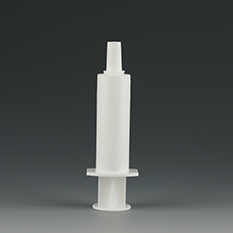
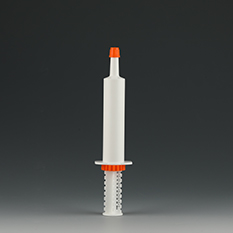
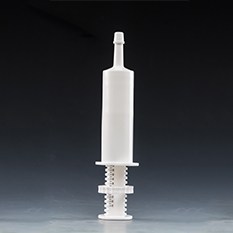
Pre-filled syringes are commonly used for cream-based medications such as pet nutrition pastes, oral gels for horses and cows, and other viscous treatments. Since cream-based drugs are thicker and less fluid, they require larger, coarser needle designs to effectively expel the drug from the syringe.
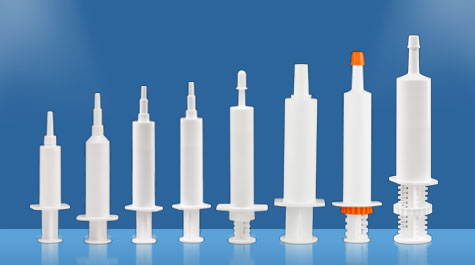
Needle Size: Cream-based medications often require thicker needles to avoid clogging, as their flowability is lower than liquid drugs. The larger needle ensures smooth dispensing and prevents resistance.
Volume: The typical dosage for cream-based medications ranges from 20ml to 60ml. This larger volume necessitates a clear, easily readable scale on the plunger to help operators control the exact amount of medication being dispensed.
In contrast, liquid drugs such as cockroach treatment, bovine mastitis medications, and vaccines typically have better flowability. Therefore, pre-filled syringes used for liquid drugs usually feature finer, thinner needles.
Needle Size: The smaller needle is sufficient for liquid drugs, which flow more easily through a narrower needle without the risk of clogging.
Volume: Liquid drug dosages are generally smaller, often ranging from 5ml to 15ml, which is ideal for precise, controlled delivery in smaller doses.
The materials used for the syringe needle also differ between cream-based and liquid medications due to their unique physical properties.
For liquid medications, especially those used in sensitive applications such as bovine mastitis treatments, low-density polyethylene (LDPE) is often used for the syringe needle.
Comfort and Safety: LDPE’s soft nature helps reduce irritation and stress response when administered to animals, such as dairy cows. It provides a gentle experience during injection, minimizing discomfort or injury.
Durability: LDPE needles offer greater flexibility and resilience, reducing the risk of needle breakage during use.
In the case of cream-based drugs, the syringes require stronger, more rigid needles to handle the higher viscosity of the drug. This ensures the medication flows smoothly, without blockages or difficulty during dispensing.
One of the most important advantages of pre-filled syringes is their accurate dosage control, which is particularly crucial for both cream and liquid applications.
For cream-based medications, plunger scale markings play an especially important role. As the volume is larger and the drug more viscous, users can quickly identify how much product has been dispensed and accurately control the dose.
Positioning Ring: By using a positioning ring, users can further refine dosage control, ensuring the correct volume is dispensed with every use.
In liquid applications, precise dosing is equally important, but the lower viscosity allows for smoother flow. Smaller needle gauges and lower volumes make liquid drug applications easier to control, offering fast, precise delivery of the exact required amount.
The usability of pre-filled syringes is another key factor that makes them popular in both cream and liquid drug applications. However, the design differences cater to the unique demands of the medication.
When administering cream-based drugs, the larger needle size and precise plunger scales help provide stability, making the syringe suitable for administering larger, thicker doses. These features reduce the chances of errors or inconsistency during the administration process.
For liquid drugs, a finer needle is essential for reaching the exact application site, especially in treatments that require precise positioning, such as vaccinations or bovine mastitis treatment. The smaller needle also ensures a smoother and faster application, improving the overall patient comfort.
In summary, while pre-filled syringes offer similar benefits across both cream-based and liquid medications, there are distinct differences in design, needle specifications, and dosage control for each drug type.
Cream-based drugs require larger, more rigid needles to handle thicker substances, and their larger volumes necessitate more precise plunger markings for accurate dosing.
Liquid drugs, on the other hand, benefit from finer needles and smaller volumes, providing more precise, rapid delivery for applications that require smaller, more controlled dosages.
Choosing the right pre-filled syringe based on the drug type and administration environment is essential to ensure optimal treatment efficacy and safety. By understanding these design differences, operators can make more informed decisions, improve treatment outcomes, and reduce potential risks associated with drug delivery.

 冀ICP备11016487号-1