Feb. 03, 2026
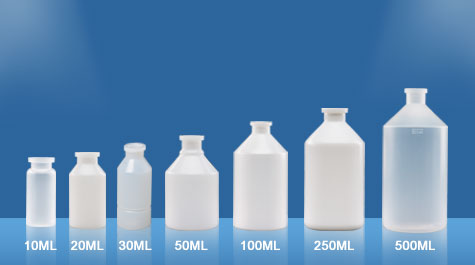
Plastic vaccine vials are widely used packaging containers manufactured from polymer materials combined with functional additives and processed through advanced techniques such as injection blow molding, extrusion blow molding, and injection stretch blow molding. In the animal health industry, vaccines are generally classified into inactivated vaccines, live attenuated vaccines, subunit vaccines, and metabolic product vaccines. Among these, plastic vaccine vials are most commonly used for the storage of inactivated vaccines due to their safety, stability, and cost efficiency.
Inactivated vaccines, also known as killed vaccines, are produced by treating microorganisms with physical or chemical methods to eliminate their infectivity or toxicity while preserving their immunogenic properties.
These vaccines offer several advantages, including:
High safety profile with no risk of reversion to virulence
Stable performance during storage and transportation
Lower risk of allergic reactions compared to live vaccines
Ease of handling and long shelf life
Because of these characteristics, inactivated vaccines are particularly well suited for plastic vial packaging, which provides reliable protection and convenient use.
The foot-and-mouth disease (FMD) vaccine is one of the most effective tools for preventing and controlling outbreaks of this highly contagious disease. The vaccine typically appears as an emulsion, where slight oil phase separation or stratification of the emulsion column is acceptable. Gentle shaking can restore uniformity before use.
However, if emulsion breakdown occurs or if the aqueous phase exceeds the specified separation limit (usually no more than one-tenth of the total volume), the vaccine should not be used. FMD vaccines must be stored away from light at 2–8°C and must be protected from freezing, making stable and impact-resistant plastic vaccine vials an ideal packaging solution.
Avian influenza viruses are classified into 16 hemagglutinin subtypes (H1–H16), with no cross-protective immunity between different subtypes. Among them, H5 and H9 are the most prevalent and clinically significant.
Most avian influenza vaccines are inactivated vaccines. Before administration, the vaccine should be placed at room temperature (20–25°C) for approximately two hours. Injecting vaccine that is too cold may cause stronger stress reactions in poultry. Plastic vaccine vials provide consistent insulation, safe handling, and ease of temperature adjustment prior to use.
Porcine reproductive and respiratory syndrome, commonly known as blue ear disease, is a widespread swine disease. Both inactivated and live attenuated vaccines are available. Inactivated PRRS vaccines contain non-viable pathogens that do not replicate in the animal’s body.
Although inactivated vaccines stimulate antibody production more slowly, they offer longer-lasting immunity and enhanced safety. Plastic vaccine vials are commonly used to package these vaccines due to their chemical resistance and stable physical properties.
Compared with traditional glass containers, plastic vaccine vials offer multiple benefits:
Lightweight and impact-resistant, reducing breakage during transport
Easy to process and form into various shapes and sizes
Resistant to most acids, alkalis, and chemical solvents
Cost-effective with excellent overall performance
These advantages make plastic vaccine vials a practical and economical choice not only for animal vaccines but also for a growing range of pharmaceutical and healthcare applications.
As the animal vaccine industry continues to evolve, plastic vaccine vials have become a preferred packaging solution for inactivated vaccines. Their safety, durability, chemical resistance, and cost efficiency align well with the storage and transportation requirements of inactivated animal vaccines. With ongoing material innovation and manufacturing advancements, plastic vaccine vials are expected to play an increasingly important role across multiple industries.

 冀ICP备11016487号-1