Feb. 03, 2026
The rapid growth of the global pet industry has directly fueled the expansion of the pet pharmaceutical market, including products such as deworming medicines, pet nutrition pastes, and hairball remedies. As these products vary significantly in dosage form, pet medicine packaging solutions must also be tailored accordingly to ensure safety, effectiveness, and ease of use.
Understanding how different drug formulations influence packaging choices is essential for both pet pharmaceutical manufacturers and brand owners.
Solid tablet formulations are commonly used for products such as calcium supplements and oral deworming medications. These dosage forms require packaging that provides strong sealing performance and moisture protection to maintain product stability.
The most widely used packaging formats for solid pet medicines include:
Plastic bottles, often paired with desiccants to control humidity
Blister packaging, which offers individual dose protection and extended shelf life
These packaging solutions not only preserve drug quality but also support accurate dosing and convenient storage for pet owners.
Paste-based formulations, such as pet nutritional pastes and hairball control pastes, are especially suitable for elderly pets, post-surgery recovery, pets with weakened immunity, or those undergoing intensive training.
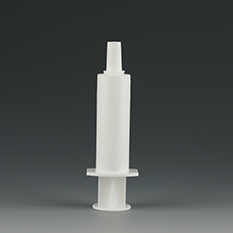
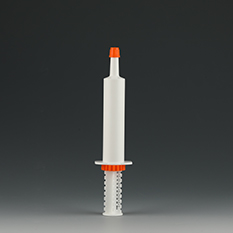
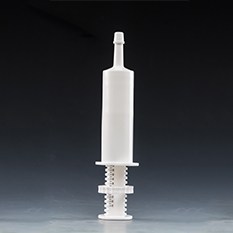
For these products, prefilled syringe packaging has become the preferred choice. This format offers multiple advantages:
Easy and hygienic administration
Reduced risk of contamination during feeding
Precise dose control through scale markings and positioning rings
Improved feeding accuracy for scientific nutrition management
By combining packaging and administration into one solution, prefilled syringes significantly enhance the user experience while ensuring consistent dosing.
Liquid formulations are commonly used for topical pet deworming treatments. Unlike oral medications, these products are applied directly to the skin—usually at the back of the pet’s neck—where the active ingredients are absorbed systemically through the skin.
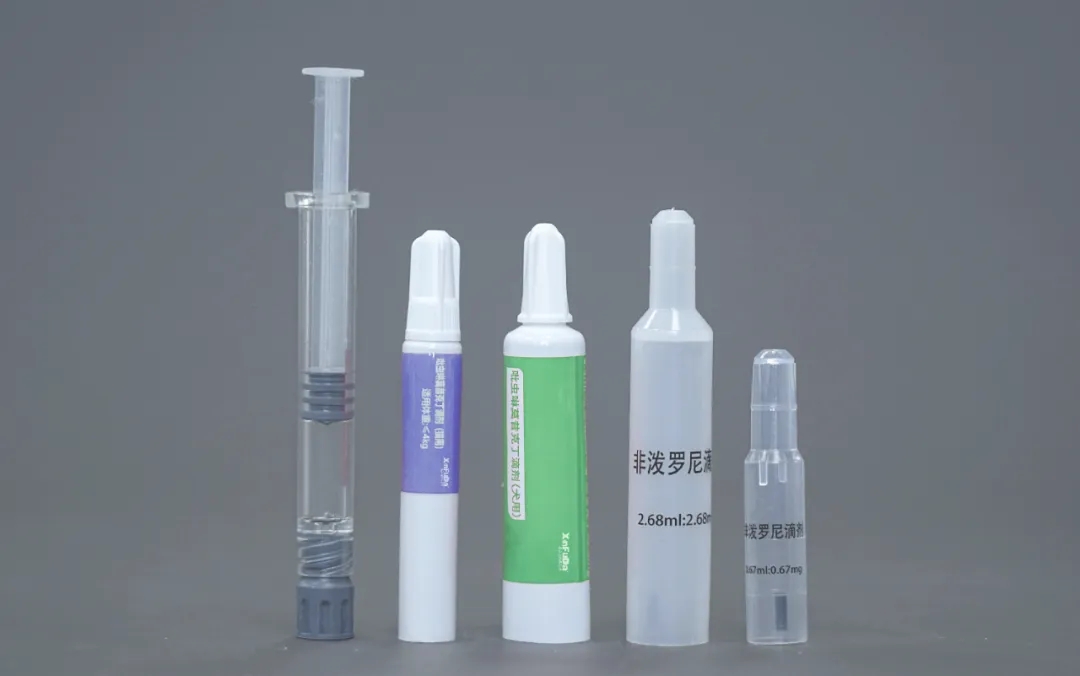
Due to their single-use application and precise dosage requirements, these products are typically packaged in small-volume, sealed-end tubes. This packaging format ensures:
Accurate single-dose administration
Easy application without spillage
Reduced risk of under- or overdosing
Sealed tube packaging is especially effective in maintaining formulation stability and ensuring user convenience.
The examples above highlight how different pet medicine dosage forms correspond to specific packaging solutions. However, modern pet medicine packaging must do more than simply protect the product.
As the population of pet owners continues to grow, expectations for packaging functionality are also increasing. Today’s pet medicine packaging is expected to deliver:
Enhanced safety and hygiene
User-friendly administration
Accurate dosing and reduced waste
Improved convenience for daily pet care
From solid tablets to pastes and liquid formulations, choosing the right packaging format is critical to the success of pet pharmaceutical products. Effective packaging not only meets storage and stability requirements but also improves usability, compliance, and overall treatment outcomes.
As the pet healthcare market continues to evolve, innovative and dosage-form-specific packaging solutions will play an increasingly important role in supporting pet health and strengthening brand competitiveness.

 冀ICP备11016487号-1