Jan. 22, 2026
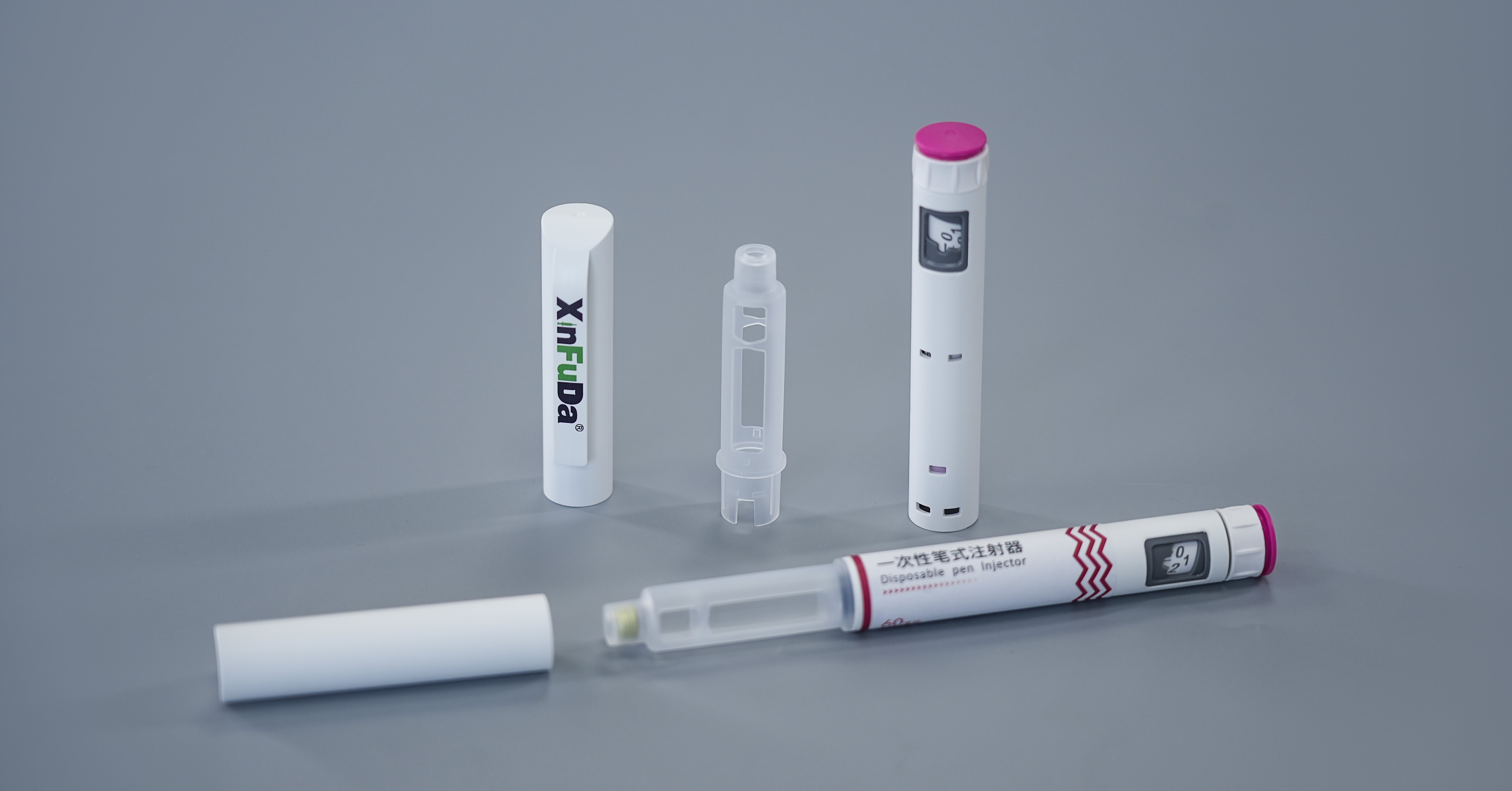
In the world of diabetes management, precision, convenience, and safety are paramount. The insulin pen has revolutionized insulin therapy, moving far beyond traditional vials and syringes. This portable, all-in-one medical device integrates the insulin reservoir and dosing mechanism, making injections more accurate, discreet, and user-friendly. For millions worldwide, it has become an indispensable partner in daily diabetes care.
Beyond the Syringe: The Core Advantage of Insulin Pens
The fundamental innovation of an insulin pen
lies in its integrated design. Unlike the multi-step process of drawing
insulin from a vial with a separate syringe, pens utilize either
pre-filled insulin or replaceable cartridges. This eliminates the need
for manual dose measurement, dramatically reducing the risk of dosage
errors and contamination, while offering unparalleled portability and
ease of use.
Understanding the Two Main Types of Insulin Pens
Pre-filled (Disposable) Insulin Pens
Features: The pen body comes pre-filled with a fixed amount of insulin. Once empty, the entire pen is discarded.
Advantages: Extremely simple with no parts to replace; ideal for travel or those seeking maximum convenience; minimizes handling errors.
Reusable (Cartridge) Insulin Pens
Features: A durable pen body is used with separate, replaceable insulin cartridges. Only the cartridge is changed when empty.
Advantages: More cost-effective and environmentally friendly over time. This design often hosts advanced features like digital dose memory, Bluetooth connectivity, or half-unit dosing increments for finer control.
A Universal Safety Rule: Always use a brand-new, sterile needle for every injection, regardless of pen type.
Step 1: Pre-Injection Preparation
Check and Confirm: Inspect the pen label for correct insulin type, concentration, and expiry date. Ensure the solution is clear (for rapid- or short-acting) or properly mixed if cloudy (for suspension insulins).
Reach Room Temperature: If refrigerated, let the pen sit at room temperature for about 30 minutes. Injecting cooler insulin can cause discomfort.
Prime the Pen: After attaching a new needle, set a small test dose (e.g., 2 units). With the needle pointing up, tap the pen to collect air bubbles at the top. Press the injection button until a drop of insulin appears at the needle tip. This critical step ensures accurate dosing.
Step 2: Selecting the Dose and Injecting
Dial the Dose: Rotate the dose selector to your prescribed units. Audible clicks provide confirmation. Never dial a dose larger than the insulin remaining in the pen.
Choose and Clean the Site: Common sites are the abdomen (avoiding a 5cm radius around the navel), thighs, upper arms, and buttocks. Rotate sites systematically to prevent lipohypertrophy (lumpy or hard skin under the surface). Clean the skin with an alcohol swab.
Inject: Pinch a skin fold if needed, insert the needle at the recommended angle (usually 90°), press the injection button fully, and hold in place for at least 10 seconds before withdrawing to ensure the full dose is delivered.
Step 3: Post-Injection Care
Safe Needle Disposal: Immediately recap the used needle using a safety device or one-hand technique, unscrew it, and dispose of it in an FDA-approved sharps container. Never toss loose needles into household trash.
Proper Storage: Store unused pens in the refrigerator (2-8°C). A pen currently in use can be kept at room temperature (below 30°C/86°F), away from light and heat, for up to 28 days (refer to your specific product information). Never store a pen with a needle attached.
Lipohypertrophy: If you notice lumps, swelling, or thickened skin at injection sites, stop injecting there. Continued use can lead to erratic insulin absorption. Consult your healthcare provider.
Dosage Errors: If you suspect an incorrect dose was administered, monitor your blood glucose closely and follow your personalized sick-day or hyper-/hypoglycemia management plan. Contact your diabetes care team for guidance.
Persistent Issues: Unusual pain, frequent bleeding, or insulin leakage after injection may indicate a technique or needle issue. Review your process with a diabetes educator.
Seek Support: If you face challenges affording supplies or have ongoing questions about technique, speak with your doctor or nurse. Support and resources are available.
By following these guidelines, your insulin pen becomes a reliable, powerful tool for effective glucose management. It embodies the progress in diabetes care, turning a complex task into a routine of confidence and control.
Looking Ahead: The Future of Insulin Delivery
The
evolution of insulin pens continues, focusing on enhanced connectivity,
smarter dose tracking, and even greater ease of use. For instance,
advanced reusable pens, like those developed with precision engineering
by partners such as Xinfuda,
emphasize exceptional durability, industry-leading dose accuracy (e.g.,
±1%), and customizable features that cater to the nuanced needs of
modern diabetes management. This commitment to innovation ensures that
insulin pen technology will remain at the forefront of empowering
individuals to live healthier, more active lives.
Always consult with your healthcare professional for personalized medical advice and instructions specific to your insulin therapy.

 冀ICP备11016487号-1