Apr. 13, 2026
The insulin injection device is a crucial tool for diabetes management, and insulin injection devices for diabetesare a key focus of medical device innovation. This article provides a systematic overview of their development, types, characteristics, and applications.
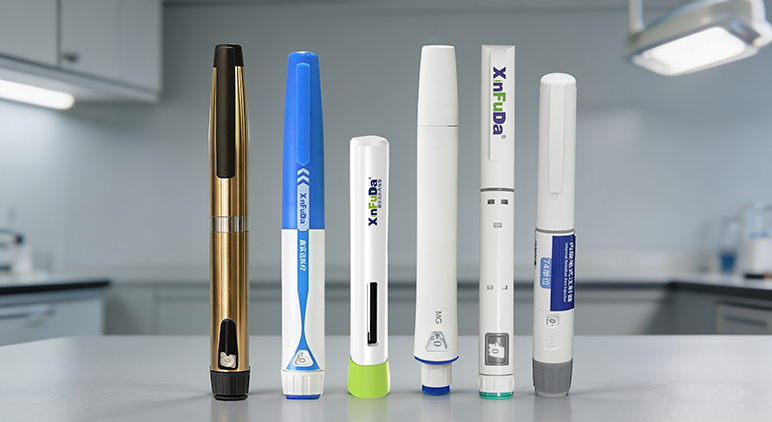
Insulin Injection Devices Diabetes
1. Personalized Adaptation: Optimize various types of insulin injection devices to meet the specific needs of different groups (e.g., elderly-friendly designs for seniors, child-friendly models for children and needle-phobic patients), thereby breaking the trend of homogenization.
2. Intelligent Integration: Incorporate Bluetooth connectivity, blood glucose monitoring, and AI-driven dosing algorithms into insulin injection devices to reduce errors and enhance user adherence.
3. Green Sustainability: Promote reusable and eco-friendly designs for all types of insulin injection devices to reduce plastic waste and minimize the carbon footprint.
4. Improved Accessibility: Lower the cost of high-end devices and expand channel coverage to increase penetration in low- and middle-income regions, making insulin injection devices more accessible.
Learn More:Is an Injector Pen Better than a Syringe?
The development of insulin injection devices has evolved from simple manual syringes to intelligent, eco-friendly, and accessible products. Beginning with basic disposable and reusable syringes, it has progressed to include diverse types such as insulin pens, intelligent pumps, and needle-free devices, continuously optimizing to meet the increasing demands of diabetes management.
As an essential medical device for diabetics, the insulin injection device has evolved from simple syringes to intelligent pumps, aiming to enhance convenience, safety, and effectiveness in insulin delivery. It plays a key role in maintaining stable blood sugar control, reducing complications, and improving quality of life, making it indispensable for long-term diabetes management.
Type: Disposable and reusable; low-cost, manual insulin extraction; precise dose control; suitable for cost-sensitive patients familiar with injections.
Notes: Disinfect sites, dispose of materials properly, and do not reuse.
Pre-filled and cartridge-replaceable; easy to operate, portable, and precise; suitable for patients requiring long-term injections.
Notes: Replace needles regularly to prevent subcutaneous hyperplasia.
Tubed and patch-type insulin pumps; provide continuous delivery for stable blood sugar levels; suitable for type 1 diabetics and individuals with significant blood sugar fluctuations.
Notes: High maintenance costs, frequent site replacements, and the need for professional operation.
Needle-free and low-pain; suitable for children and patients with needle phobia.
Regular maintenance is required; please follow the operating instructions.
No manual extraction required; pollution-free and easy to operate. Suitable for the elderly and visually impaired.
Please check the fixed dosage and use the medication as specified.
Human-centered design encompasses various types, including elderly-friendly features such as large screens and simplified buttons, portable designs, and eco-friendly, reusable structures, all tailored to meet the needs of diverse user groups.
The global market is growing steadily, driven by the rising prevalence of diabetes, supportive policies, and technological innovations, with emerging markets serving as new growth opportunities.
Common pain points include the high cost of premium models, the homogenization of standard types, elevated compliance expenses, and uneven accessibility.
Focus on four core areas: personalized adaptation, intelligent integration, green sustainability, and enhanced accessibility, all driven by technology and market demand.
Insulin injection devices have developed significantly, offering a variety of options to personalize diabetes treatment. With ongoing innovation, these devices are becoming more intelligent, user-friendly, and accessible, providing a better treatment experience for people with diabetes worldwide.

 冀ICP备11016487号-1