Jan. 28, 2026
Bovine mastitis is one of the most common and costly diseases in dairy farming, posing a serious threat to cow health, milk quality, and overall production efficiency. Intramammary infusion therapy is widely recognized as an effective treatment method. In this process, veterinary intramammary injectors play a crucial role as a specialized packaging solution that integrates both drug storage and administration.
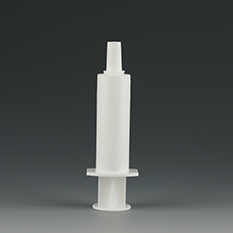
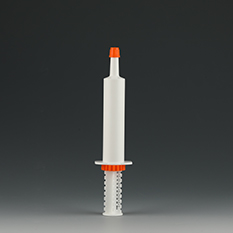
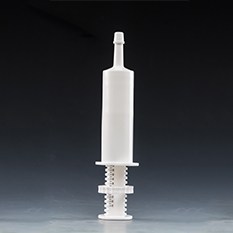
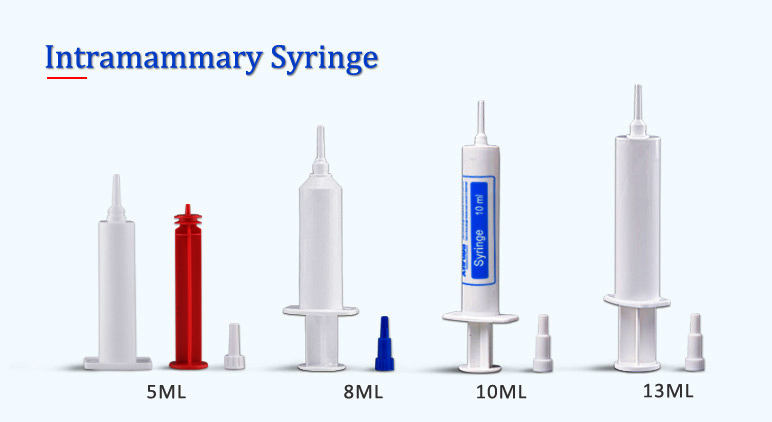
For the treatment of bovine mastitis, delivering medication directly into the mammary gland allows the drug to reach the infection site efficiently, resulting in faster and more effective therapeutic outcomes. A veterinary intramammary injector is typically a prefilled, single-use device composed of a barrel, plunger, piston, and protective cap.
Compared with traditional dosing methods, intramammary injectors offer advantages such as ease of use, minimal drug residue, and reduced risk of contamination, making them an essential tool in modern dairy health management.
Barrel (Syringe Tube):
The barrel is the core component of the prefilled injector. It is cylindrical in shape and designed to contain the medication securely, ensuring drug stability during storage and transportation.
Plunger:
The plunger is used to push the medication out of the barrel during administration. By applying gentle pressure, the drug is delivered smoothly through the nozzle into the mammary gland.
Protective Cap:
The protective cap seals the injector tip, similar to a bottle cap. It prevents external contamination and preserves the sterility and purity of the medication before use.
Piston:
Mounted on the plunger, the piston is usually made of rubber. It ensures smooth movement, provides lubrication, and minimizes resistance during injection, improving user control and dosing accuracy.
Veterinary intramammary injectors generally adopt one of two assembly methods, depending on the filling process and production requirements:
Cap-Separate Assembly (Front-Filling Method):
In this configuration, the barrel and plunger are preassembled, while the protective cap is handled separately. This method is suitable for filling medication from the nozzle end and helps ensure accurate dosing and stable filling performance, improving overall production line efficiency.
Plunger-Separate Assembly (Back-Filling Method):
Here, the barrel and protective cap are preassembled, and the plunger is packaged separately. This approach is ideal for filling medication from the plunger end and simplifies the filling process, offering flexibility for different drug formulations.
When selecting veterinary intramammary injectors, pharmaceutical companies should communicate closely with suppliers to determine the most suitable filling and assembly method. Choosing the right configuration can reduce secondary assembly steps, save time and costs, and significantly improve production efficiency.
To prevent microbial contamination, veterinary intramammary injectors must undergo strict sterilization. Ethylene oxide (EO) sterilization is one of the most commonly used methods, as it effectively eliminates microorganisms while maintaining packaging integrity and ensuring drug safety.
Check the Packaging:
Inspect the injector for damage, leakage, or expiration before use. Replace immediately if any issues are found.
Open the Package:
Carefully open the sterile packaging and confirm that the medication shows no signs of deterioration or contamination.
Choose the Right Timing:
Administration is typically performed after milking, ensuring the udder area is clean and dry.
Personal Protection:
Operators should wear gloves and masks to ensure personal safety and prevent cross-contamination.
Disinfection:
Disinfect the injector surface and remove the protective cap before administration.
Administration:
Hold the injector with the tip facing downward and gently tap the barrel to position the medication at the nozzle. Insert the tip into the cow’s teat canal and slowly push the plunger to infuse the drug.
Post-Use Handling:
After administration, gently remove the injector, disinfect the tip if necessary, and dispose of the used injector according to medical waste regulations.
Record Keeping:
Record relevant information such as drug name, administration time, and cow identification for traceability and follow-up management.
Veterinary intramammary injectors play a vital role in the effective treatment of bovine mastitis. By understanding their basic principles, structural components, assembly options, sterilization methods, and correct usage procedures, pharmaceutical companies and dairy farmers can maximize treatment efficiency, protect animal health, and improve dairy production outcomes. As dairy farming continues to modernize, reliable intramammary drug delivery systems will remain a key component of herd health management.

 冀ICP备11016487号-1