Jan. 05, 2026
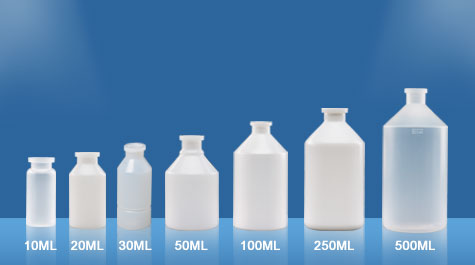
Vaccines are a critical safeguard for the health and productivity of livestock, and their quality is paramount for achieving effective immunization. A key factor in preserving this quality is the integrity of the primary packaging. Prior to administration, users may occasionally encounter a serious issue: leakage from the vaccine bottle. When this happens, the root cause can almost always be traced back to the interaction between the vial's neck finish (the bottle opening) and its closure system.
Why Leakage is a Critical Problem
A leaking vaccine bottle
is more than just a nuisance; it is a significant safety and efficacy
failure. Breaches in the container's seal expose the sensitive
biological product to the external environment, risking contamination by microorganisms, oxidation, or degradation.
Administering a compromised vaccine can lead to inadequate immune
responses in animals, potential health complications, and ultimately,
financial losses for farms dependent on reliable disease prevention.
Understanding and preventing the causes of leakage is therefore
essential for the entire supply chain.
The Primary Culprits: Bottle Neck and Closure Quality
1. The Precision of the Vial's Neck Finish
The vaccine bottle's
neck finish—specifically its inner diameter (ID) and outer diameter
(OD)—must be manufactured to exacting tolerances. This precision ensures
a perfect mechanical fit with the rubber stopper and aluminum cap.
If the dimensions are too large, it creates a gap between the stopper and the glass, preventing a proper seal and leading to leakage.
If the dimensions are too small, it can cause excessive compression on the stopper during capping, potentially leading to scoring, tearing, or an uneven seal that also results in leakage over time.
Consistency in the neck finish is a fundamental quality metric. Any deviation from the specified standard compromises the entire container closure system.
2. The Quality of the Closure Components
The closure itself—typically a rubber stopper and aluminum crimp cap—is equally critical. Several factors can lead to failure:
Stopper Defects: A stopper that is the wrong size, has inconsistent elasticity, or contains imperfections (like flash or inclusions) will not form a hermetic seal with the vial's inner surface.
Cap Issues: Aluminum caps with faulty threads or an improper design may fail to apply and maintain the correct crimping pressure on the stopper. An uneven or weak crimp can allow the stopper to shift or the seal to relax, resulting in leakage.
Conclusion: Proactive Prevention Through Rigorous Testing
Preventing leakage in vaccine bottles
is a non-negotiable aspect of product stewardship. The responsibility
falls on vaccine manufacturers and packaging suppliers to implement
stringent quality control protocols. This involves rigorous inspection and testing
of both vial neck finishes and closure components before assembly and
filling. Methods like vacuum/pressure decay leak tests and visual
inspection systems are vital for ensuring every unit meets the required
seal integrity standards.
By prioritizing the precision of the bottle and the quality of the closure, the industry can significantly reduce the risk of leakage, ensuring vaccines remain potent, sterile, and safe from production until the moment they protect animal health. Investing in superior packaging is ultimately an investment in the reliability and success of disease prevention programs worldwide.

 冀ICP备11016487号-1