Dec. 19, 2025
In the dairy farming industry, bovine mastitis remains a prevalent and costly disease, directly impacting animal welfare and milk production. Effective control of this condition relies not only on the choice of effective medication but also critically on the method of delivery. Pre-filled syringes, specifically designed as intramammary tubes, have become an indispensable tool in mastitis management programs, offering a combination of convenience, precision, and safety that is vital for modern herd health.
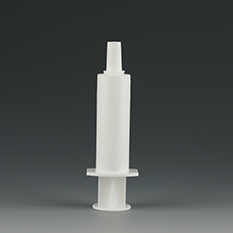
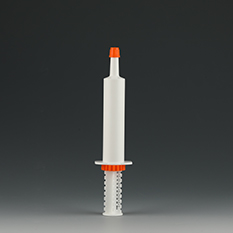
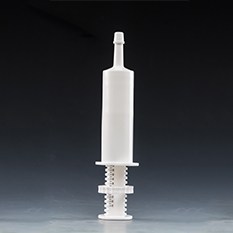
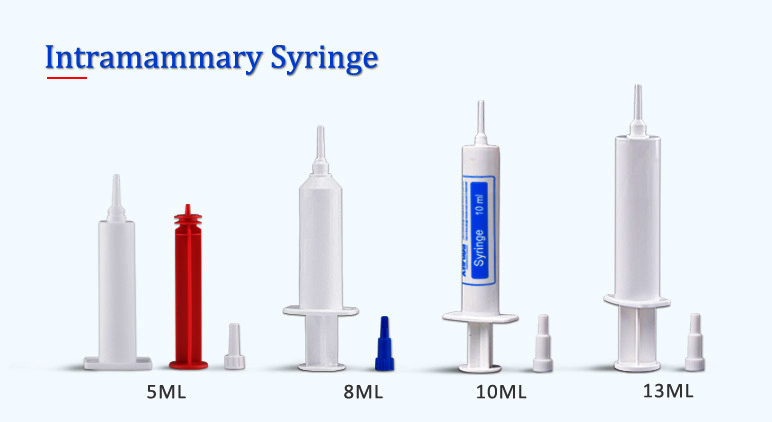
The specialized design of the intramammary tube, a type of pre-filled syringe, addresses the unique challenges of udder therapy. Its cannula or nozzle is typically made from soft, low-density polyethylene (LDPE), providing flexibility and a gentle interface with the delicate teat canal. This design minimizes discomfort and stress for the cow during administration. The complete unit, comprising a sterile barrel, pre-measured medication, plunger, and protective cap, allows for a streamlined, ready-to-use process.
1. Simplified Operation and Reduced Animal Stress
The user-friendly design of the intramammary tube
significantly simplifies the treatment process. Farm staff can
administer therapy quickly and with minimal training, following clear
steps: hygiene preparation of the teat, removal of the protective cap,
and gentle insertion and depression of the plunger. This efficiency
reduces handling time for each cow, thereby lowering the stress and
anxiety often associated with medical procedures, which is crucial for
maintaining milk let-down and overall animal well-being.
2. Precise, Targeted Delivery for Enhanced Efficacy
Accuracy is paramount in mastitis treatment. The intramammary tube
ensures the exact dose of antibiotic or antiseptic is delivered
directly to the site of infection within the udder quarter. This
localized, targeted action maximizes the therapeutic concentration where
it is needed most, leading to more effective bacterial clearance,
faster resolution of symptoms, and a reduction in potential tissue
damage compared to systemic treatments.
3. Sterility and Safety to Minimize Cross-Contamination
Pre-filled intramammary tubes
are single-use, sterile devices. This is a critical feature for
preventing the introduction of new pathogens or the spread of existing
infections between cows—a significant risk with multi-use syringes. Each
sealed tube guarantees product sterility until the moment of use,
providing a reliable barrier that supports overall udder health
management and milk quality.
While effective therapy is essential, a successful mastitis control program rests on a foundation of proactive management. The use of intramammary tubes fits into a broader strategy that includes:
Regular Health Monitoring: Implementing routine somatic cell count (SCC) testing and clinical udder checks allows for the early detection of subclinical and clinical mastitis, enabling timely intervention with tools like the intramammary tube.
Optimized Herd Management: Maintaining excellent milking hygiene, ensuring proper nutrition for robust immune function, and providing a clean, dry environment are fundamental to reducing the incidence of new infections.
The intramammary tube, as a specialized pre-filled syringe, plays a pivotal role in the sustainable management of bovine mastitis. It transcends being merely a package for medication; it is an integrated delivery system that ensures precise, safe, and low-stress treatment. By integrating this efficient tool with sound scientific herd management practices, dairy farmers can more effectively safeguard cow health, optimize milk yield and quality, and protect the economic viability of their operations in a competitive market.

 冀ICP备11016487号-1