Nov. 26, 2025
Pre-filled syringes offer unparalleled convenience in the storage and administration of veterinary pharmaceuticals. However, beyond this convenience lies a factor of critical importance: seal integrity. The ability of a pre-filled syringe to remain perfectly sealed from production to point-of-use is fundamental to the drug's stability, sterility, and ultimate safety for the animal. This article explores how the design and rigorous testing of these syringes ensure a hermetic barrier, safeguarding the potency and purity of the medication.
Design and Sealing Mechanism: A Multi-Component Defense
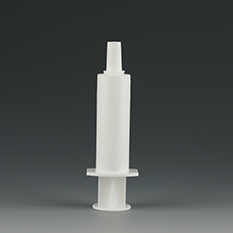
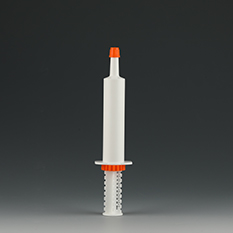
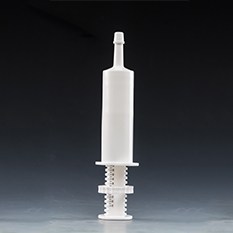
A pre-filled syringe is a sophisticated system comprising a barrel, plunger rod, piston (or stopper), tip cap, and often a needle shield. The seal integrity is not the result of a single part, but the synergistic performance of several key components working together to create an impenetrable barrier against the external environment.
The Tip Cap: Guardian of the Gateway
The
tip cap is the first line of defense. After the drug is filled, this
cap is securely fastened over the barrel's opening. Its primary function
is to prevent any drug leakage and, more importantly, to block the
entry of airborne contaminants and microorganisms, ensuring the
sterility of the drug's delivery pathway.
The Piston and Plunger System: The Internal Seal
The
piston, driven by the plunger rod, acts as a dynamic internal seal
within the barrel. Made of elastomeric materials compatible with the
drug formulation, the piston creates a tight, sliding seal against the
barrel's inner wall. This barrier prevents any backflow of the
medication and stops contaminants from entering from the rear of the
syringe, effectively sealing the drug chamber.
Seal Integrity Testing: Verifying Performance to Stringent Standards
To guarantee that every pre-filled syringe meets the highest standards, specific testing protocols are mandated. In China, for example, the standard T/CVDA 1—2019, "Veterinary Pre-filled Plastic Mastitis Tube for Cows," outlines a rigorous test to validate seal performance. The general testing process is as follows:
Preparation: A sufficient number of syringes are taken for sampling.
Water Filling: The syringe is filled halfway with water.
Piston Insertion: The piston is inserted into the barrel.
Tip Cap Application: The tip cap is removed to purge any air, then reapplied to seal the opening.
Pressure Application: An axial force of 30N is applied to the plunger rod, pressurizing the internal chamber for 30 seconds.
Leak Inspection: During and after pressure application, both the tip cap seal and the piston seal are meticulously inspected for any signs of leakage.
Conclusion: Seal Integrity is Non-Negotiable
For a pre-filled syringe, seal integrity is the cornerstone of drug safety and efficacy. It is not merely a feature but a fundamental requirement. Through precision engineering of components like the tip cap and piston, and adherence to rigorous validation standards, manufacturers can ensure that veterinary drugs are protected from leakage and contamination throughout their shelf life. This unwavering commitment to quality ensures that when a veterinarian or farmer administers a treatment, they can be confident in its purity, potency, and safety—directly contributing to successful health outcomes in animals.

 冀ICP备11016487号-1