Dec. 04, 2025
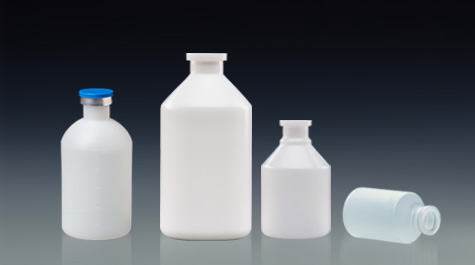
Animal vaccines are specialized veterinary biologics designed to prevent and control infectious diseases through immune stimulation. Unlike conventional pharmaceuticals, their primary function relies on triggering a protective response within the animal's body. Consequently, vaccine quality is paramount for achieving effective immunization and safeguarding animal health. While the vaccine's formulation is central, an often underestimated factor is the compliance and quality of the vaccine bottles used for storage and delivery.
Common animal vaccines include live-attenuated, inactivated (killed), toxoid, and notably, freeze-dried (lyophilized) varieties. Each type has a distinct biological profile, necessitating rigorous and specific storage conditions to maintain potency and stability.
For instance, freeze-dried vaccines typically require freezing or refrigeration. Most inactivated vaccines must be stored at a constant 2-8°C, and crucially, must never be frozen, as ice crystal formation can irreversibly damage the antigen. Deviations from these strict thermal protocols can lead to rapid degradation, rendering the vaccine ineffective. The vaccine bottle serves as the primary physical barrier protecting the delicate contents from such environmental threats.
The integrity of a vaccine bottle is not merely about containment; it is a critical component of the cold chain and product stability. Substandard vaccine bottles can compromise quality in several key ways:
Seal Integrity: A perfect hermetic seal is essential to prevent microbial contamination and maintain the required internal environment (e.g., moisture levels for lyophilized products). A faulty seal can lead to contamination or altered potency.
Chemical Inertness: The glass or polymer used must be pharmacologically inert, preventing any interaction between the container and the vaccine that could cause degradation or leach harmful substances.
Physical Durability: Vaccine bottles must withstand transportation stresses, temperature changes, and handling without cracking or compromising the seal.
Consistency: High-quality manufacturing ensures each vaccine bottle meets precise dimensional and performance standards, guaranteeing compatibility with filling lines and, ultimately, reliable dosing.
Therefore, vaccine bottles must not only comply with national pharmacopeia standards but also be specifically engineered to meet the unique stability requirements of the vaccine they contain.
Ultimately, both improper storage practices and poor-quality vaccine bottles can directly undermine vaccine efficacy. This failure in immunization leaves animals vulnerable to disease, jeopardizes herd health, and poses significant risks to food safety and the economic stability of the livestock industry.
Selecting high-quality, compliant vaccine bottles is therefore not just a packaging decision—it is a fundamental aspect of vaccine quality assurance. By prioritizing superior packaging and adhering to strict storage protocols, stakeholders across the veterinary pharmaceutical and livestock sectors contribute directly to effective disease prevention and the sustainable future of animal agriculture.

 冀ICP备11016487号-1