Mar. 20, 2026
What Is Mastitis in Dairy Cows?
Mastitis is an inflammation of the mammary gland, typically caused by bacterial infection. It can be classified into:
Clinical mastitis (visible symptoms such as swelling, clots in milk)
Subclinical mastitis (no visible symptoms but reduced milk quality)
Common causes include:
Poor milking hygiene
Environmental contamination
Improper milking equipment
Bacterial pathogens such as Staphylococcus and E. coli
What Are Intramammary Tubes?
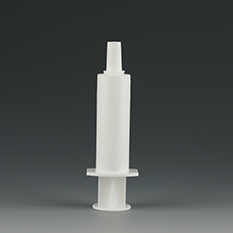
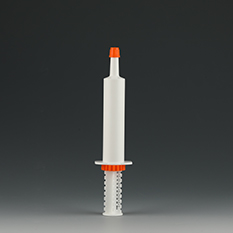
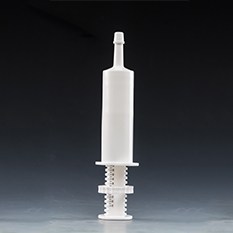
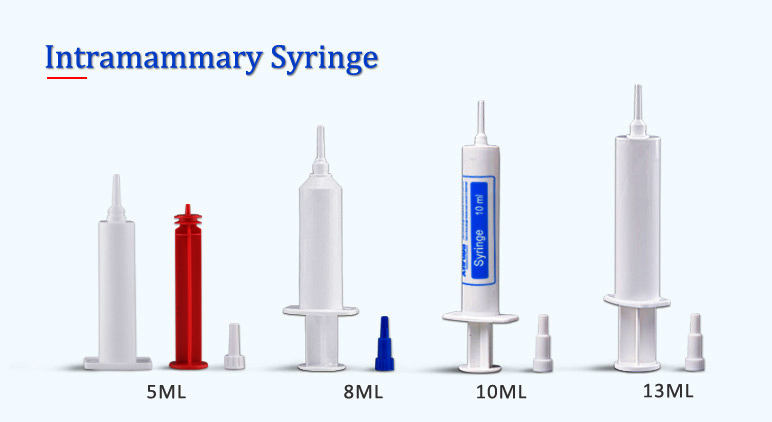
Intramammary tubes are veterinary devices designed to deliver medication directly into the teat canal of dairy animals. They typically consist of:
A sterile syringe or pre-filled tube
A soft, narrow cannula for insertion
Antibiotic or therapeutic formulation
These devices ensure localized drug delivery to the infected udder tissue.
How Intramammary Tubes Work
The treatment process involves several steps:
1. Udder Preparation
Clean and disinfect the teat surface
Use alcohol swabs to reduce contamination
2. Insertion
Gently insert the cannula tip into the teat canal
Avoid excessive force to prevent tissue damage
3. Medication Delivery
Slowly depress the plunger
Allow the medication to disperse into the udder
4. Post-Treatment Massage
Lightly massage the udder to distribute the medication evenly
Key Advantages of Intramammary Tube Treatment
Targeted Therapy
Drugs are delivered directly to the infection site, increasing effectiveness.
Lower Systemic Exposure
Reduces the risk of side effects compared to systemic antibiotics.
Faster Recovery
Higher local concentration accelerates bacterial elimination.
Cost Efficiency
Requires lower dosages while maintaining efficacy.
Types of Intramammary Treatments
Antibiotic-based treatments – for active infections
Dry cow therapy – used during the non-lactating period
Combination therapies – antibiotics + anti-inflammatory agents
Best Practices for Usage
To ensure effectiveness and avoid complications:
Maintain strict hygiene during application
Follow veterinary guidance for dosage and duration
Avoid reuse of disposable tubes
Observe milk withdrawal periods
Monitor cows for recovery signs
Common Mistakes to Avoid
Improper insertion leading to teat damage
Contaminated equipment
Incomplete treatment cycles
Ignoring withdrawal times
Conclusion
Intramammary tubes play a critical role in modern mastitis management. When used correctly, they provide efficient, targeted treatment that improves animal welfare, preserves milk quality, and supports farm productivity.

 冀ICP备11016487号-1