Jan. 19, 2026
Animal vaccines are essential biological products for preventing and controlling infectious diseases in modern, large-scale livestock farming. Among the various vaccine types, inactivated vaccines are widely recognized for their high safety profile. Examples include foot-and-mouth disease vaccines and avian influenza vaccines. What are the defining features of these vaccines, and what specific demands do they place on their primary packaging—the vaccine bottle?
Understanding Inactivated Vaccines
Also known as "killed" vaccines, inactivated vaccines
are produced by treating a pathogen (virus or bacterium) with physical
or chemical methods. This process eliminates the microorganism's ability
to cause infection or disease while preserving its immunogenic
components that stimulate a protective immune response. Their key
advantages include:
Enhanced Safety: They cannot revert to a virulent form, offering a high safety margin.
Stability: They are generally more stable and easier to store and transport compared to some live-attenuated vaccines.
Reduced Risk: They pose a lower risk of causing certain adverse reactions, such as specific allergies sometimes associated with other vaccine types.
Preservation and Storage Requirements
The stability of inactivated vaccines is highly dependent on strict temperature control. They must be stored within a 2°C to 8°C range (refrigerated) throughout the supply chain. Crucially, they must never be frozen.
Storage at or below 0°C can cause the vaccine's structure to break down
(e.g., antigen separation or adjuvant destabilization), rendering it
ineffective and compromising immunization outcomes.
The Critical Role of the Vaccine Bottle
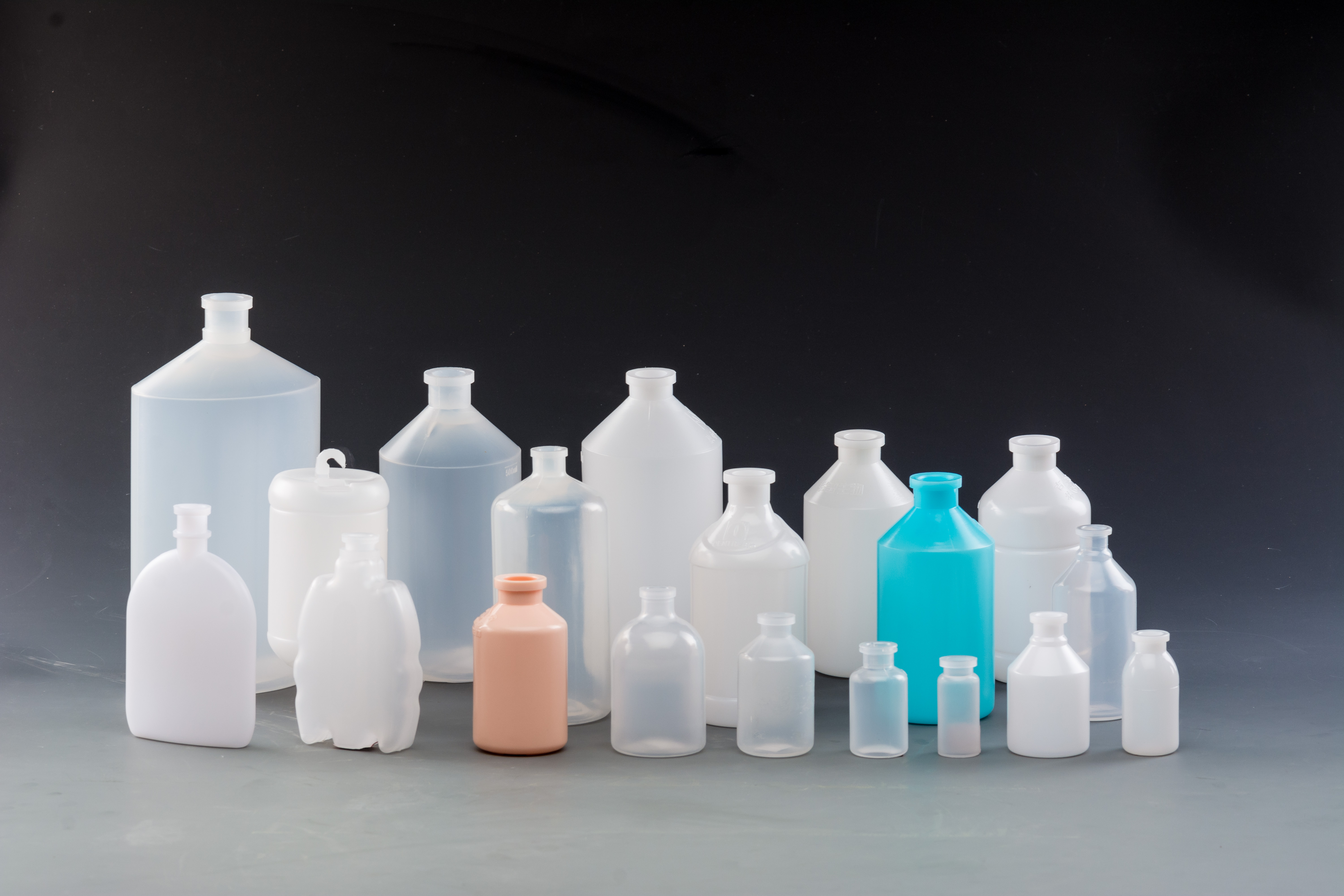
Given these sensitivities, the vaccine bottle
is not just a container; it is a vital preservation system. The
packaging must meet two paramount requirements to ensure product
integrity from manufacture to administration:
Superior Seal Integrity: The closure system (typically a rubber stopper and aluminum crimp seal) must provide a perfect, hermetic seal. Any leakage compromises dose accuracy, leads to product loss, and, most importantly, provides a pathway for microbial contamination, which can spoil the entire batch.
Excellent Barrier Properties: The vaccine bottle material must act as a robust barrier against environmental factors. This includes preventing the ingress of gases (like oxygen) and moisture vapor, which could degrade the vaccine over time. For inactivated vaccines often packaged in plastic, selecting resins with high barrier performance is essential.
Light Protection (When Required): Some vaccine antigens or adjuvants are sensitive to light, particularly UV radiation, which can cause degradation. For these light-sensitive formulations, vaccine bottles made from amber or brown-colored glass or polymer are mandatory. This tinting acts as a shield, filtering out harmful wavelengths and maintaining the vaccine's potency and stability throughout its shelf life.
Conclusion
Inactivated vaccines
are a cornerstone of preventive veterinary medicine, prized for their
safety and stability. However, their full protective potential can only
be realized if they are stored correctly and packaged impeccably. The vaccine bottle, therefore, plays a non-negotiable role. By guaranteeing leak-proof sealing, effective environmental barriers, and necessary light protection, high-quality vaccine bottles
are fundamental to delivering a potent, safe, and effective vaccine
dose—directly supporting animal health, food security, and sustainable
farming practices worldwide.

 冀ICP备11016487号-1