Dec. 09, 2025
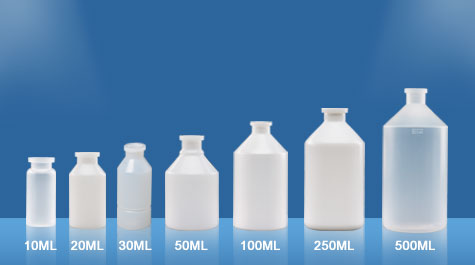
Animal diseases remain a major obstacle to the sustainable development of the livestock industry. Proactive immunization through vaccination is a proven method to reduce infection rates and improve farming efficiency. For veterinary pharmaceutical companies, selecting high-quality vaccine bottles is critical to ensuring both the safety and stability of these vital biological products. The integrity of the vaccine bottle directly influences the vaccine's potency from production to administration, making its quality a non-negotiable element of the supply chain.
High-quality vaccine bottles are controlled through several key dimensions, each playing a vital role in the final product's performance.
The physical dimensions of a vaccine bottle—including inner and outer neck diameters, overall body diameter, and finish height—are fundamental to its functionality. Precise dimensions ensure a perfect seal with the closure (stopper and cap), which is essential for maintaining sterility and preventing contamination or degradation. Consistent sizing also guarantees appropriate cap removal force, balancing secure closure with ease of use for veterinarians. Dimensional control is therefore the primary factor in vaccine bottle quality assurance.
The visual and structural quality of a vaccine bottle is a direct reflection of the manufacturer's technical prowess and quality management systems. A high-standard bottle should exhibit:
Uniform shape without deformation.
Absence of impurities, bubbles, or flashes (excess plastic).
Consistent color and transparency.
Smooth, even finish with appropriate curvature and uniform wall thickness, avoiding thin or weak spots.
These
attributes are not merely cosmetic; they indicate a controlled
production process that minimizes stress points and potential failure
risks, ensuring the bottle can withstand handling, transportation, and
storage stresses.
The choice of polymer must align with the vaccine's characteristics and the manufacturer's processing needs. Two common materials are:
Polypropylene (PP): This material offers excellent resistance to high temperatures, making it the preferred choice for vaccines that undergo terminal sterilization processes. It provides a robust barrier for long-term stability.
Polyethylene (PE): Often used for its clarity, PE can be manufactured into translucent vaccine bottles, which may be required for certain product presentations or to allow visual inspection of the contents.
Selecting the wrong material can lead to chemical interactions, leaching, or compromised barrier properties, ultimately affecting the vaccine's efficacy.
The quality of vaccine bottles is intrinsically linked to the safety, stability, and effectiveness of veterinary vaccines. This, in turn, impacts animal health outcomes and the overall resilience of the livestock sector. When choosing a supplier, veterinary pharmaceutical companies must look beyond initial cost. Partnering with a technically advanced manufacturer with a rigorous quality management system—one that controls dimensions, appearance, and material science—is an essential investment. It safeguards the vaccine, protects animal health, and supports the sustainable future of animal husbandry.

 冀ICP备11016487号-1